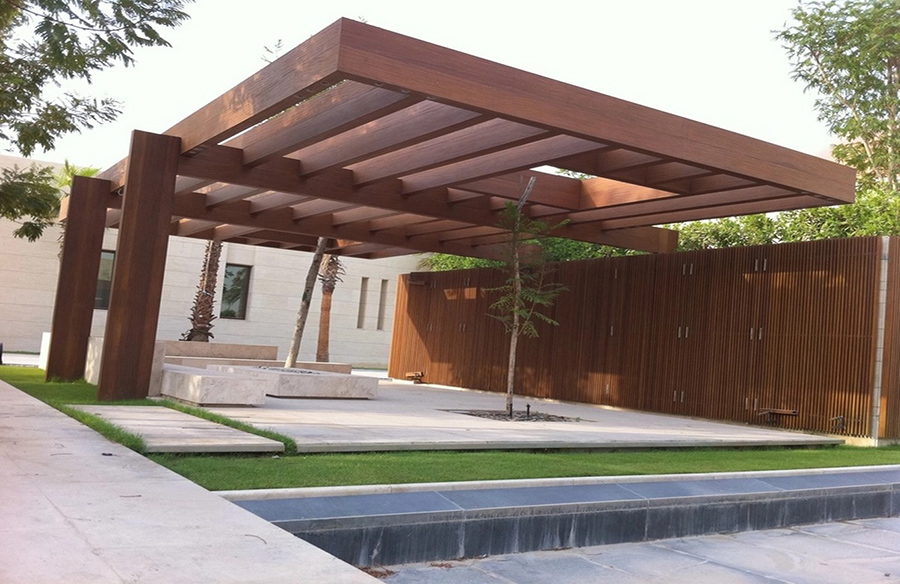
Elevating Architectural Spaces with Technowood Pergola Systems

207_900_584-1.jpg
  1. The Evolution of Technowood: A2 Fireproof Class Innovation

1.1 A Pioneering Material

Technowood stands as a groundbreaking development in the realm of architectural materials, being the world’s first A2 fireproof class natural wood-coated material. This innovative creation not only introduces a lightweight system adaptable to diverse architectural demands but also prioritizes fire safety without adding excessive loads to structures. Moreover, it streamlines production processes, reduces labor efforts, and presents a cost-effective solution.
  1. Pergola Systems: Bridging Functionality and Aesthetics

2.1 Tailored Sunblade Roofs

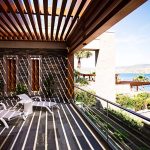
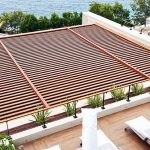
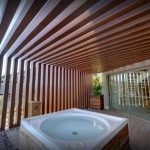
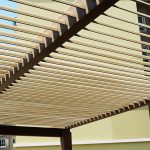
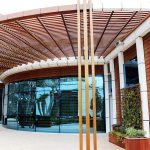
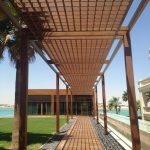
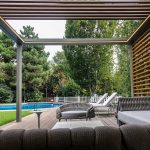
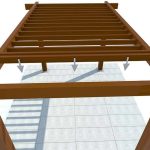
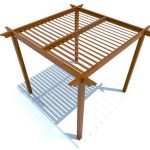
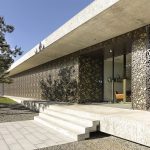
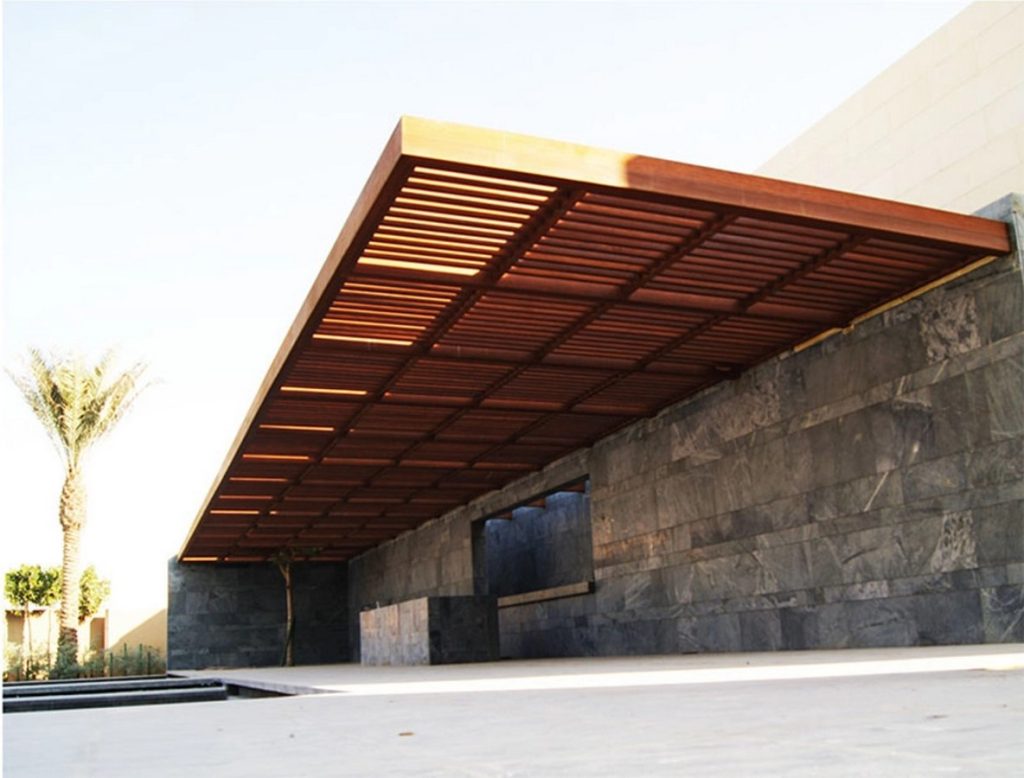
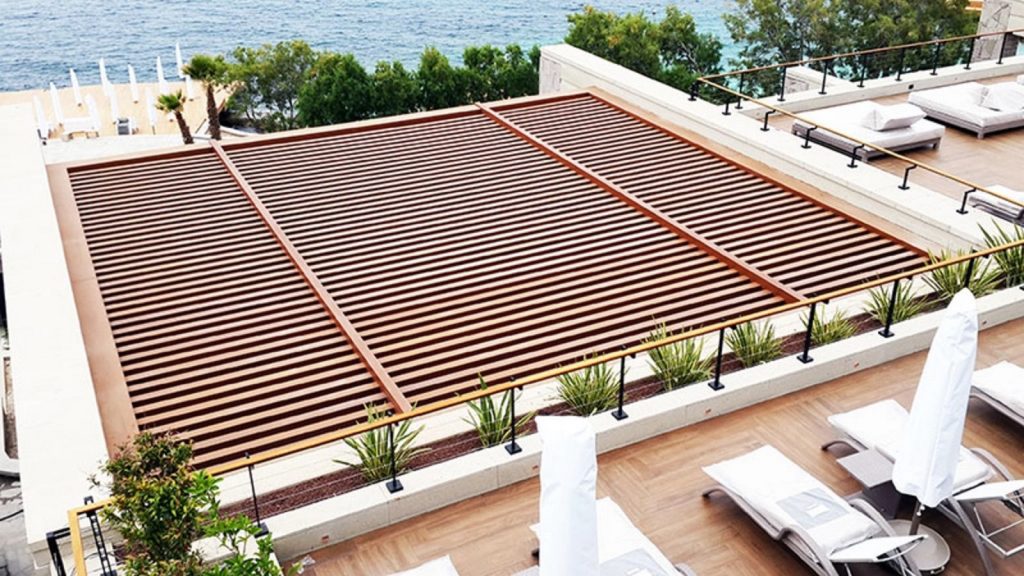
Technowood’s Pergola Systems introduce sunblade roofs that seamlessly blend practicality with aesthetic appeal. Featuring collapsible or fixed designs, these systems consist of independent profiles with diverse features and cross-sections. Primarily designed for enhancing outdoor spaces, these pergolas are perfect for creating half-open havens during the summer and fully closed sanctuaries in the winter.
  1. Unveiling Advantages with Technowood Technology

3.1 Overcoming Wood Disadvantages

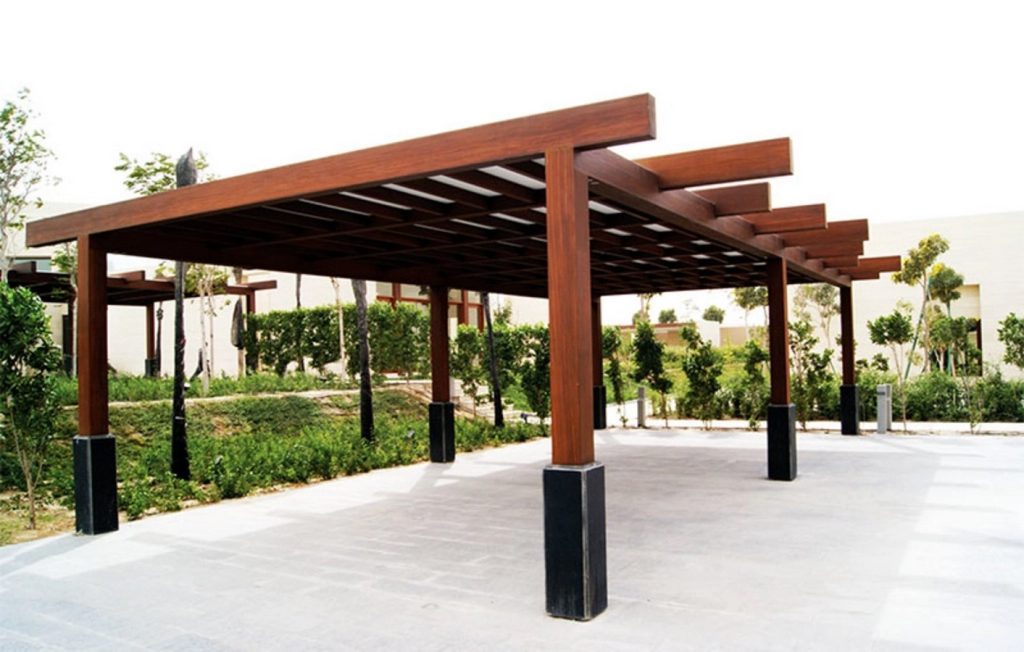
Technowood’s technological advancements address common drawbacks associated with traditional wood, including issues like expansion, rotation, cracking, mildew, fungi, and the need for frequent maintenance and varnishing. By mitigating these concerns, Technowood ensures a durable and long-lasting solution while promoting environmental consciousness.

3.2 Sustainable Practices

With a commitment to sustainability, Technowood champions forest preservation by utilizing 98% less wood compared to conventional methods. This not only minimizes the ecological impact but also extends the lifespan of the material by over five times. The Pergola Systems reflect a harmonious blend of the warmth and texture of natural wood with the speed, durability, lightness, and recyclability inherent in this pioneering technology.
  1. Tailoring Pergolas to Perfection

4.1 Customization for Every Project

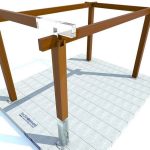
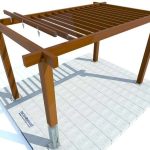
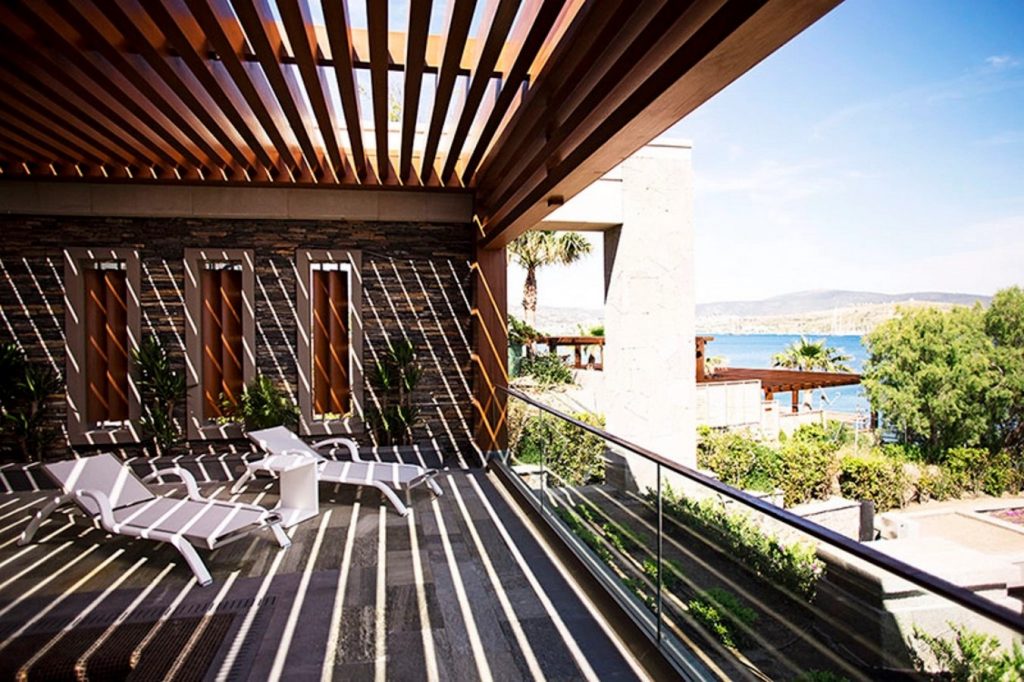
Technowood’s Pergola Systems offer complete flexibility, allowing customization to match project requirements. This includes options for different shade profiles and a variety of textile products. The meticulous design extends to the use of special connection materials and techniques, ensuring a seamless finish by concealing nails and screws, presenting a polished and clean aesthetic.
  1. Explore the Possibilities: Technowood Catalogue

For a comprehensive overview of Technowood’s diverse range of products, including Pergola Systems, we invite you to download the latest Technowood Catalogue here.
  1. Material Fusion: Wood and Metal

6.1 A Perfect Synergy

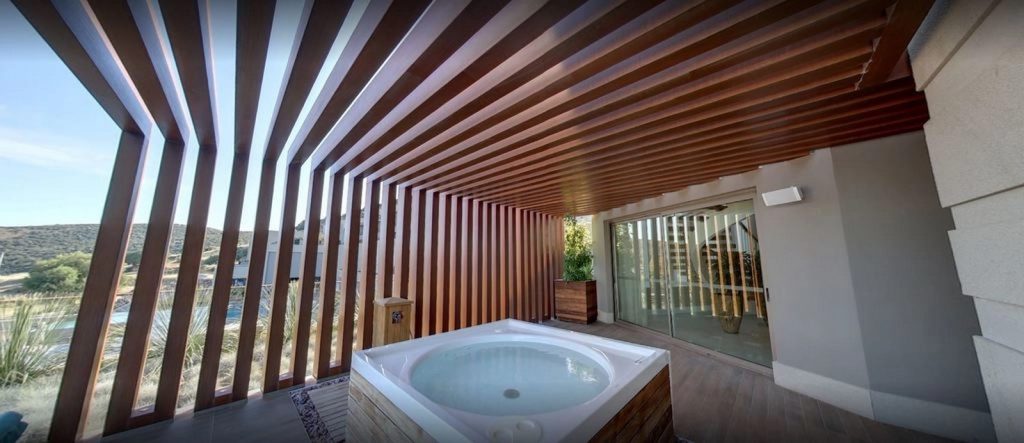
Technowood Pergola Systems bring together the timeless essence of wood and the structural strength of metal. This fusion not only enhances the visual appeal but also ensures a robust and resilient solution for outdoor spaces.

In conclusion, Technowood’s Pergola Systems redefine the possibilities of architectural elements by integrating innovation, sustainability, and design versatility. From overcoming traditional wood challenges to offering tailored solutions for diverse projects, these systems stand as a testament to Technowood’s commitment to excellence in the realm of architectural materials.
Sustaining Sociocultural Spaces Transformation of La C@va Youth Center in Spain

99_900_584.jpg

Architects: aquidos
Area: 301 m²
Photographs: Pol Viladoms
Lead Architects: Oriol Marin i Gordi, Carles Bárcena Roig, Aleix Jané Canals, Núria Garcia i Soto

Renovation and Expansion: A Social Hub Reimagined

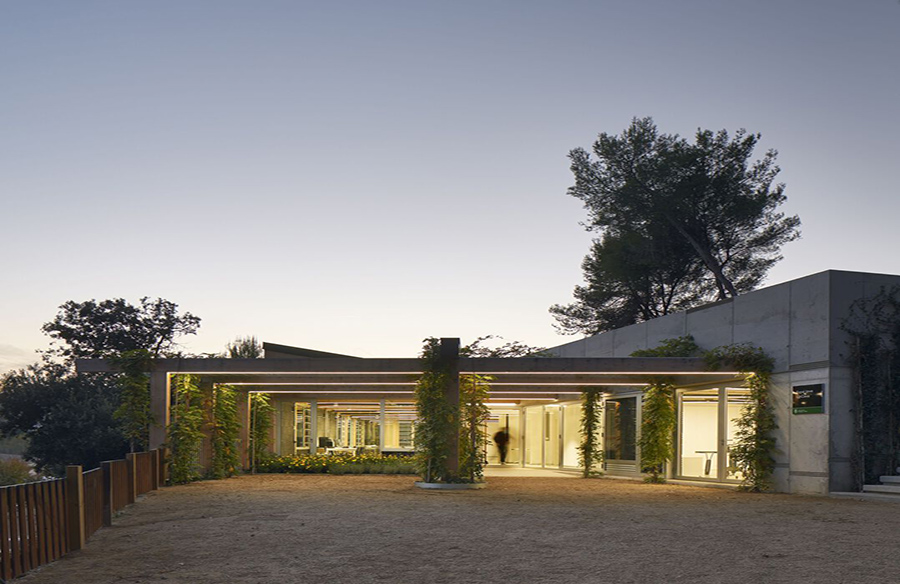
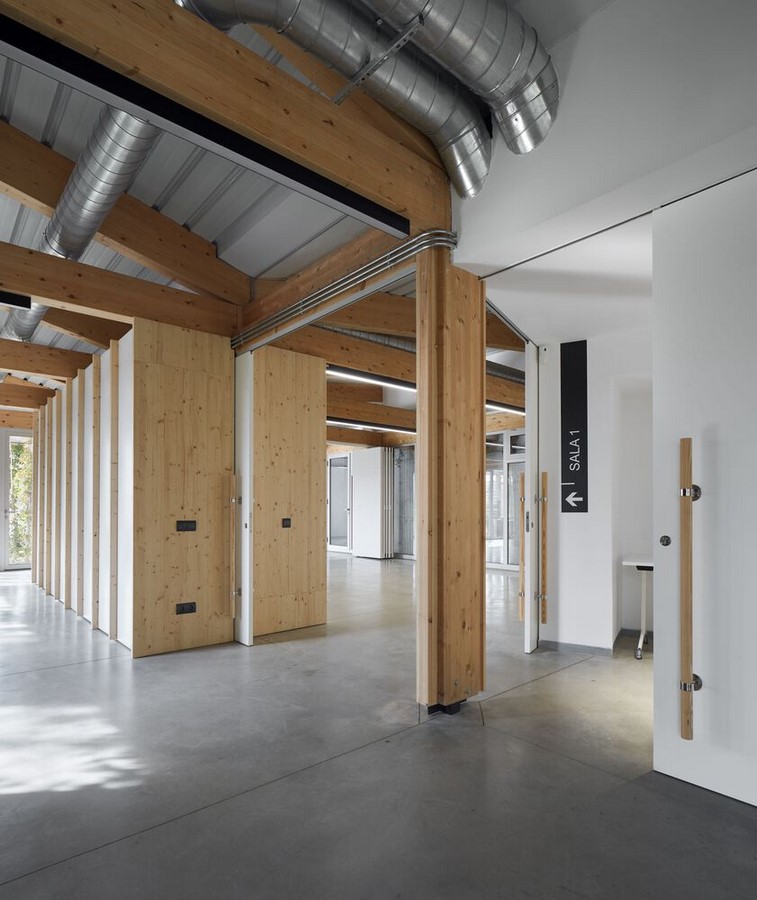
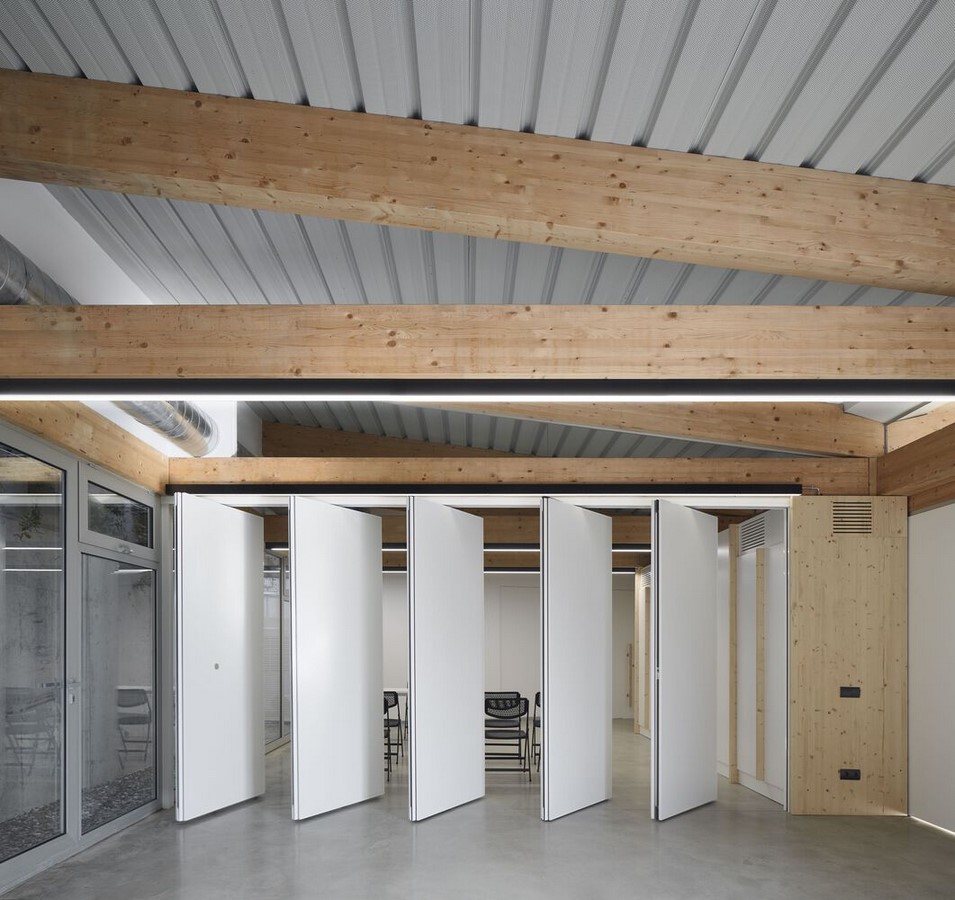
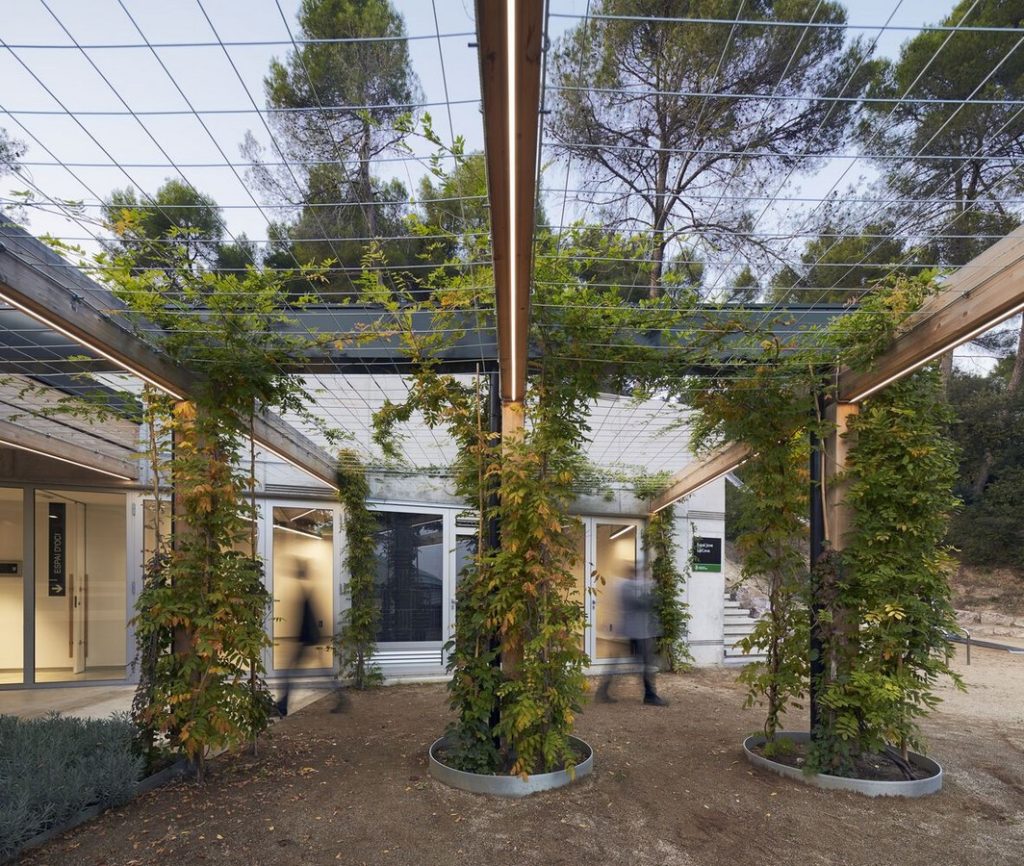
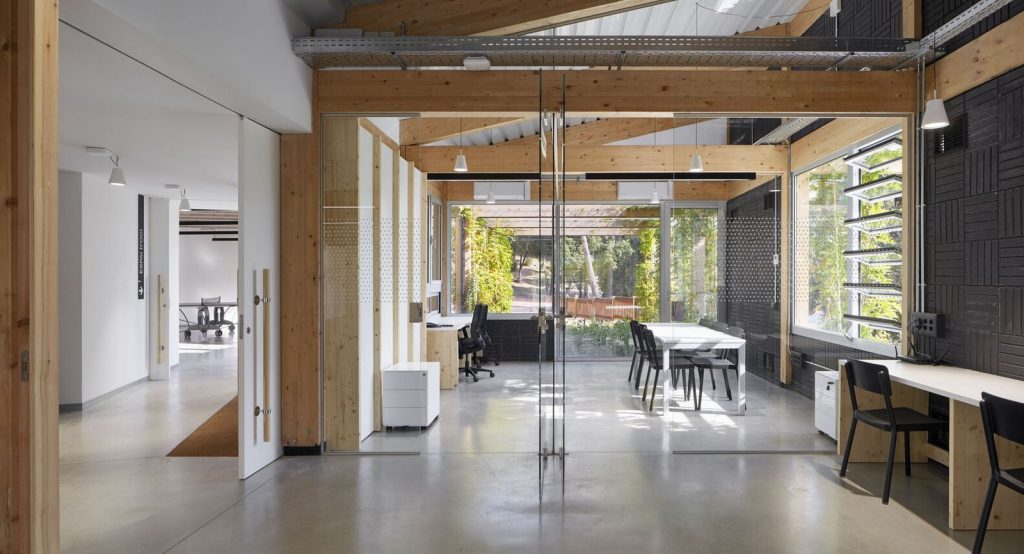
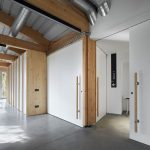
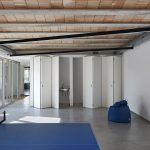
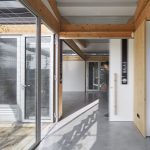
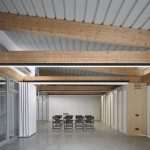
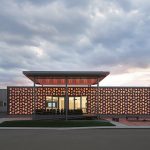
The rejuvenation of a small municipal building in Spain unfolds as a comprehensive renovation and expansion project, envisioned to serve as the vibrant “La C@va” Youth Center. This initiative seeks to adapt the space to foster sociocultural interactions, reinforce a sense of collective identity, and instill a profound connection to the surrounding environment. Designed with a versatile program, the building embraces the diversity of its users, their spatial needs, and their relationship with the adjacent park.

Inclusive Design: Blending Functionality and Identity

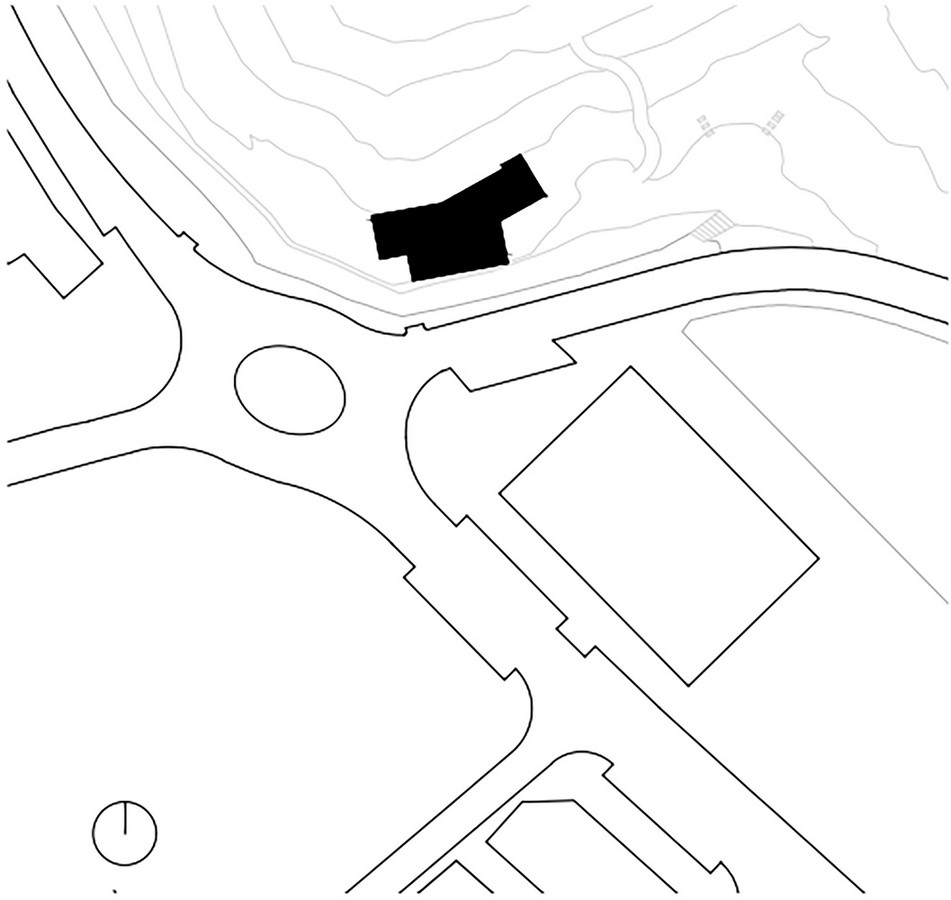
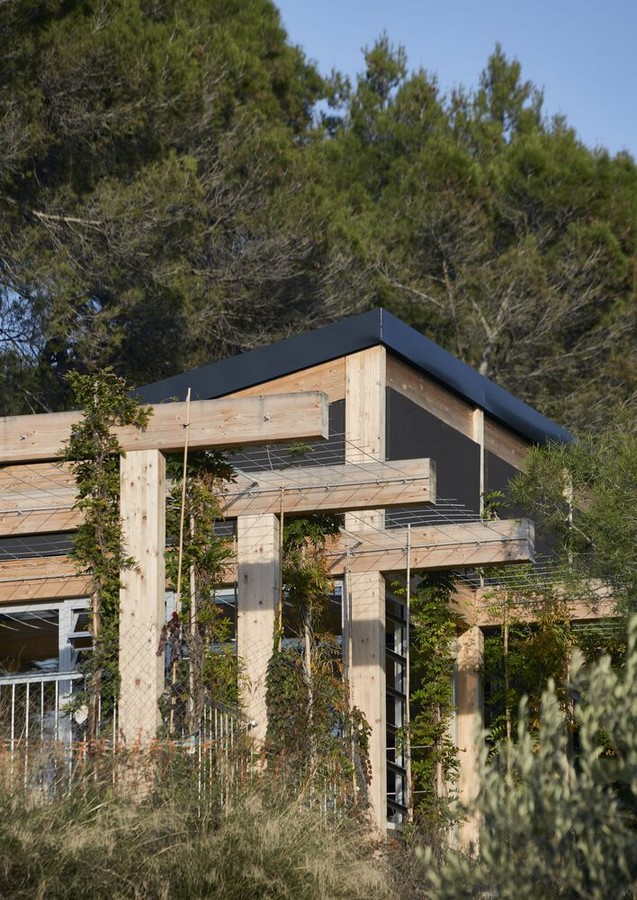
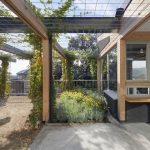
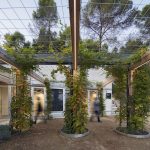
The project integrates both active and passive strategies to create a space that promotes well-being for both users and the environment. The central goal is to construct a building characterized by containment and efficiency, minimizing construction costs, energy demands, and long-term maintenance. A primary longitudinal axis defines the extension, adapting to the site’s topography and facing south. Plant pergolas adorn the facade, featuring native deciduous plantations selected for their low water requirements, providing solar protection in summer and optimizing solar incidence in winter.

Sustainable Façade: Harnessing Natural Elements

The façade incorporates TROMBE-type solar collectors to maintain a higher internal temperature than the external environment during winter. Additionally, the building is insulated with External Thermal Insulation Systems (SATE). A semi-buried interior patio facilitates ventilation and cooling through the chimney effect. Complementing these sustainability features is a heat pump system with enthalpy and air ducts, ensuring year-round comfort. The La C@va Youth Center exemplifies the benefits of passive strategies, offering unparalleled comfort that goes beyond what active means and strategies can achieve alone.

Experiencing Well-being: A Neuroarchitectural Approach

The building’s direct connection with the exterior, the integration of vegetation, expansive views from the interior, and abundant natural lighting contribute to an immediate sense of well-being. This relationship between architecture and behavior aligns with the principles of neuroarchitecture, exploring ways to create truly habitable and healthy spaces. The project aspires not only to serve its primary function but also to stand as a beacon for the application of sustainability and health criteria in publicly promoted buildings. By translating theoretical sustainability and health principles into tangible architectural features, La C@va Youth Center becomes a pedagogical opportunity, setting an example for the broader sector.
Bridging Communities Xikou Future Community Center in Quzhou

98_900_584.jpg

Architects: y.ad studio
Year: 2023
Location: Quzhou, China
Photographs: Schran Image
Lead Architect: Yang Yan

Transforming Heritage: Rural Future Community of Xikou

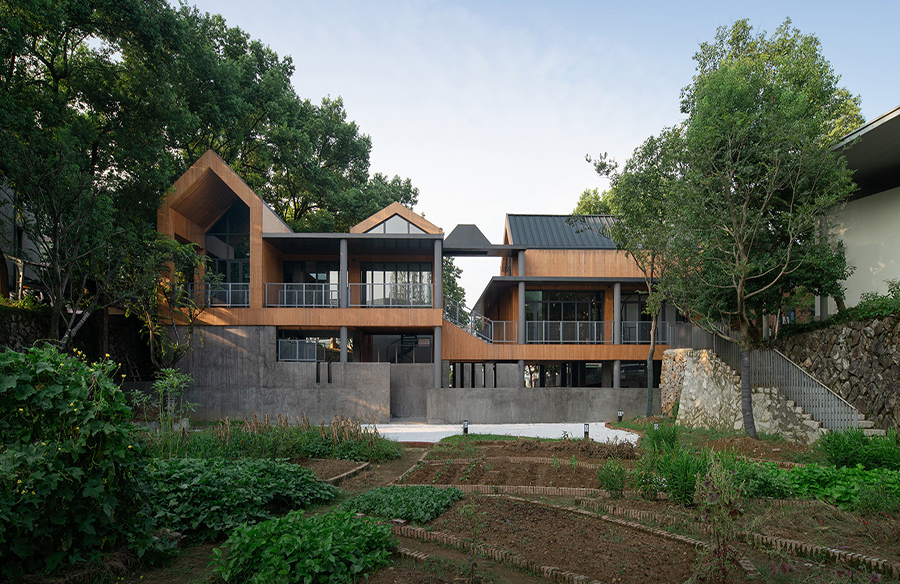
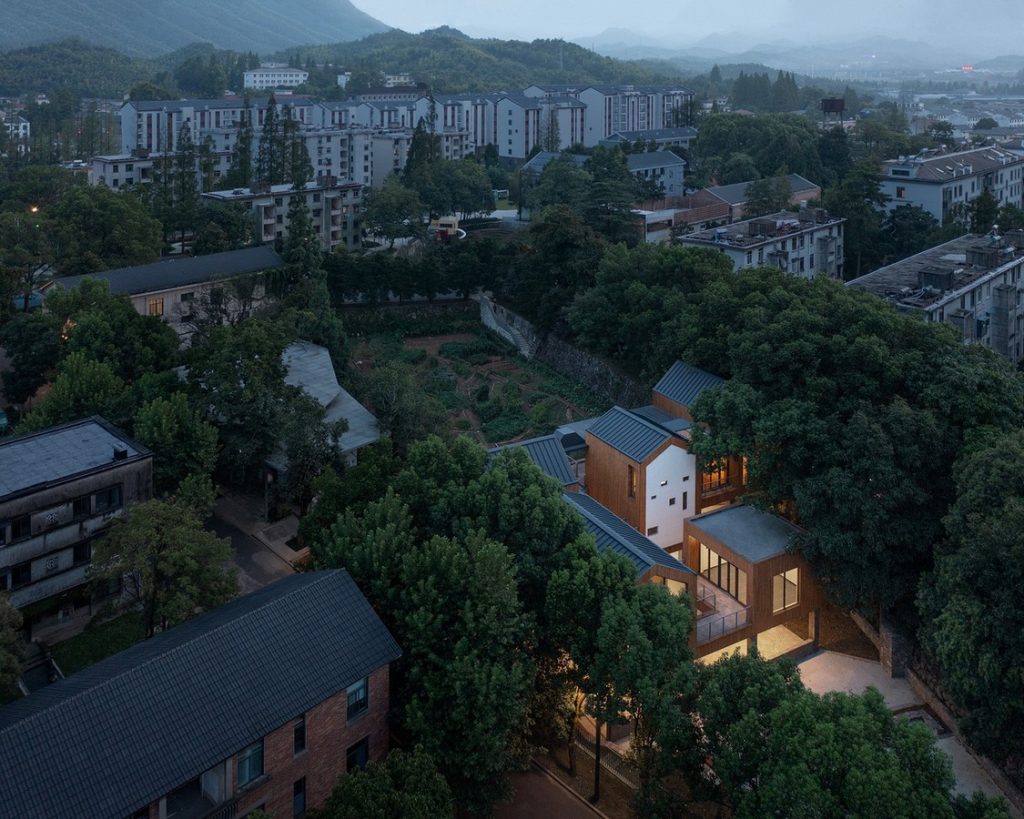
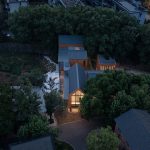
In the heart of Xikou Town, Shanghai-based y.ad studio breathes new life into a residential quarter with a profound history. The Rural Future Community of Xikou unfolds as a renewal project, repurposing a zone initially crafted over six decades ago for pyrite workers. The transformative initiative aims to infuse vibrancy and a distinctive local identity into the community, with the Future Community Center standing as the crowning jewel of this rural renewal endeavor.

Embodying Distinct Topography: A Unique Landscape

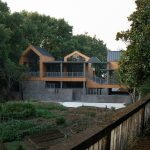
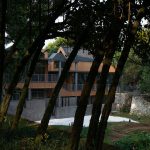
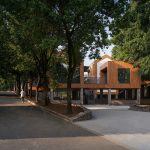
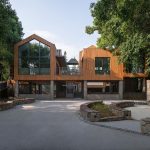
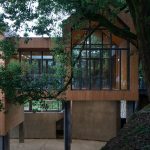
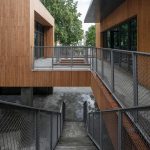
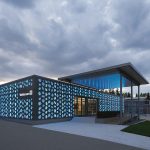
Nestled within a sunken vegetable field, the Future Community Center’s site embraces an irregular shape. With a gentle northward slope and a gradual rise toward the south, stone retaining walls clad in verdant foliage flank the east and west sides. Situated at a lower elevation compared to the surrounding road, the site introduces a notable elevation difference, accessible by descending from the east road. Flanked by residential areas on both sides and facing an urban main road to the north, the center promises to be a visual spectacle for the community.

A Hub for All Ages: Visionary Planning

During the planning phase, the site was envisioned as a versatile public space catering to all age groups and serving diverse purposes. The architectural design prioritizes sharing, automation, smart technology, sustainability, and a strong sense of neighborhood. The Future Community Center encompasses facilities such as the Party-mass service center, play areas for children, climbing walls, spaces for housewives, self-service kiosks, a dedicated learning area for seniors, healthcare facilities, a lectures hall, yoga room, and public gathering spots.

Elevating Connections: Overcoming Terrain Disparities

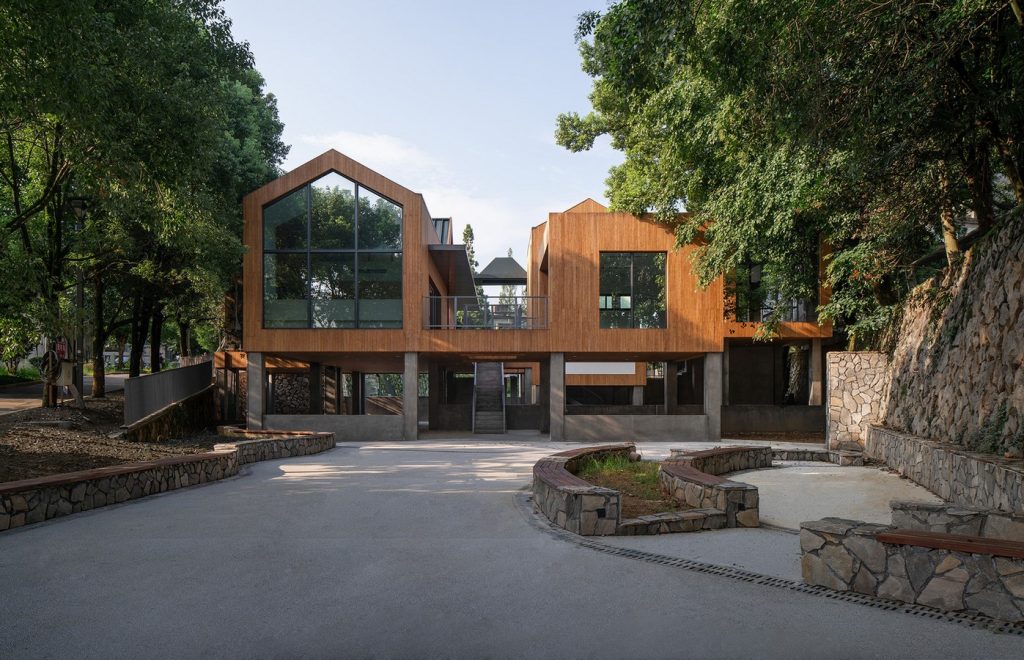
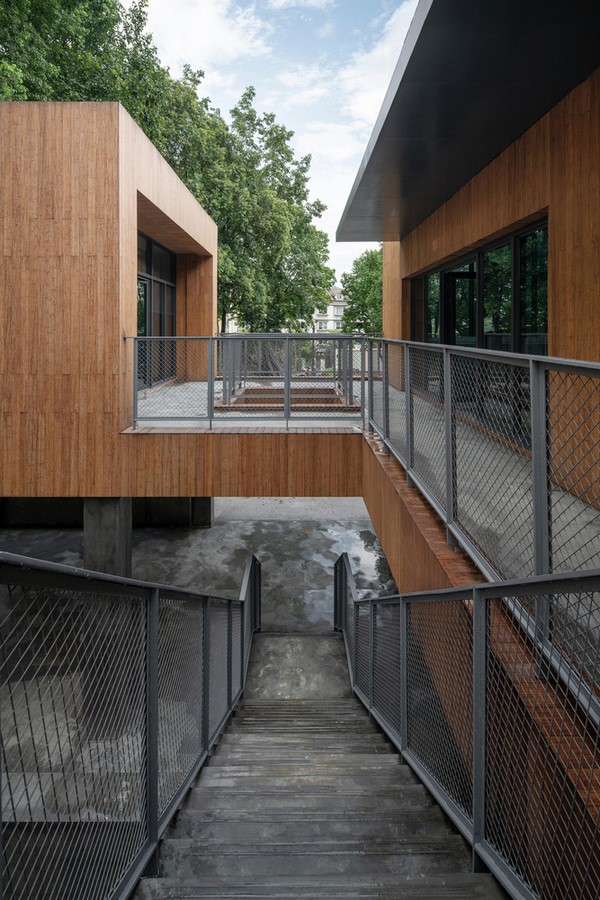
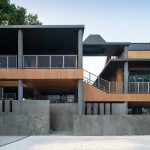
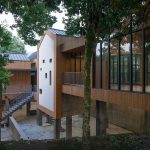
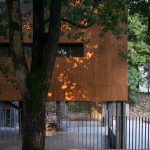
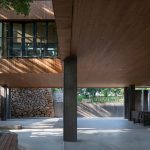
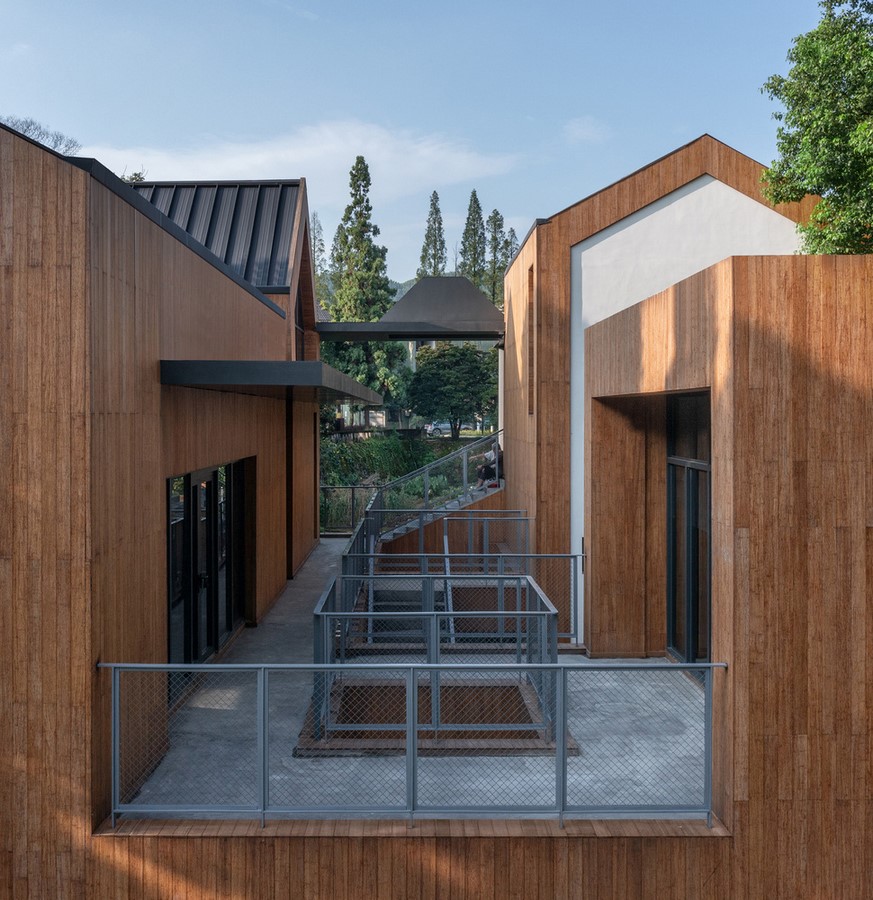
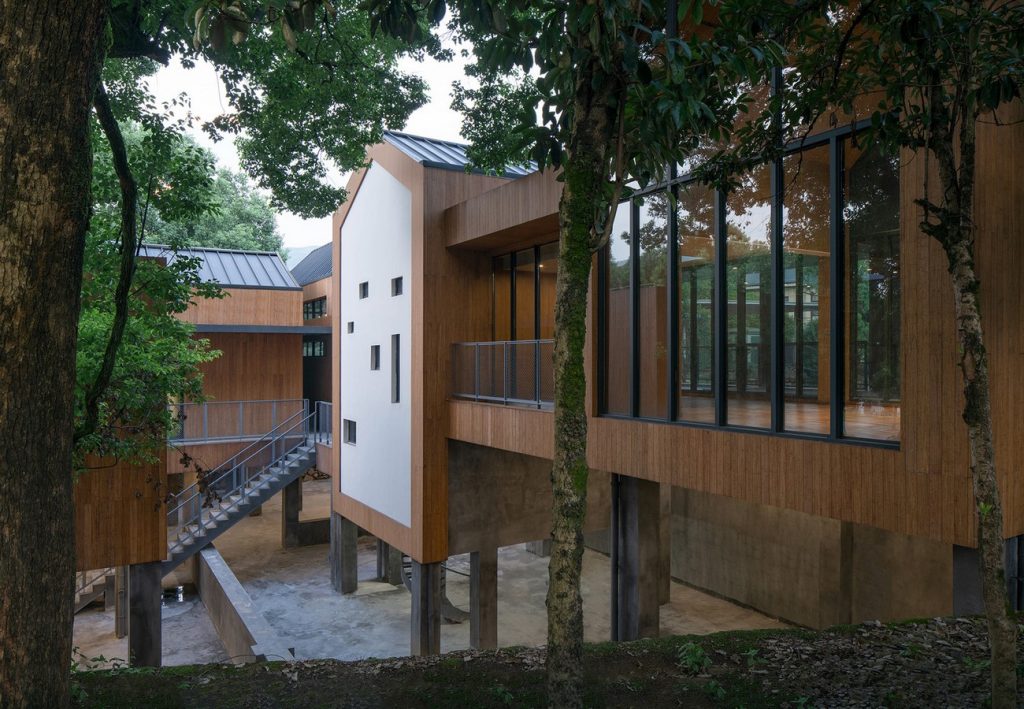
To address the lower site position, the building elevates its ground floor to align with the east-west road’s height. This elevation transforms the community center into a symbolic “bridge,” connecting circulation routes of the east and west communities previously separated by varying elevations. The stilt floor and front yard become spaces for a children’s sand pool, public gathering, and entertainment, offering leisure to the community. The front yard, ingeniously repurposed as a parking area, caters to parking demand. Through strategic dispersal and organic juxtaposition, elevated building blocks create a multi-level connective space.

Building Connections: Outdoor Corridors and Vertical Movements

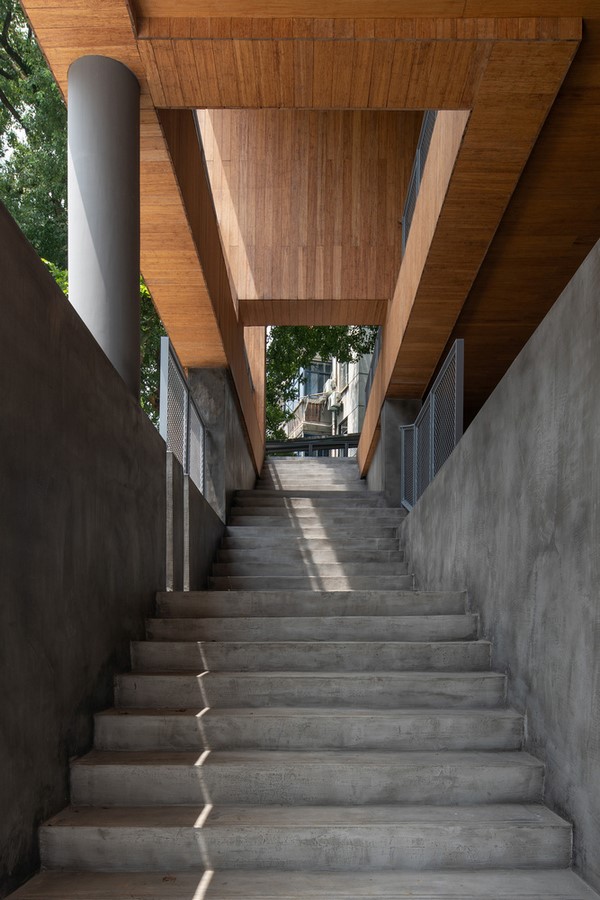
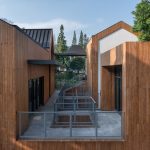
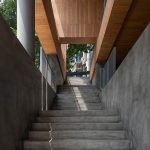
Outdoor and semi-outdoor corridors interconnect various functional spaces, promoting movement between upper and lower areas through the incorporation of vertical stairs and steps. This intentional design fosters a sense of unity, minimizing the inconveniences caused by the original elevation difference, and establishing a dynamic, multi-level connective space. The Xikou Future Community Center not only transforms physical spaces but also becomes a medium for fostering stronger bonds between communities and the surrounding site.

Unveiling Individuality: CELLON Perforated Facade Cladding by Bruag Design Factory

206_900_584-1.jpg
  1. Tailored Facade Systems for Distinctive Buildings

1.1 Crafting Uniqueness

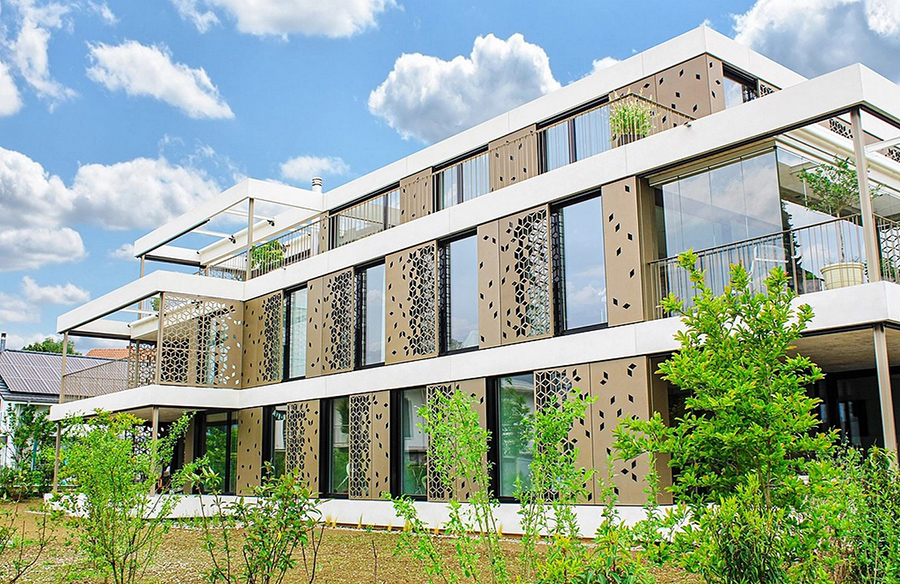
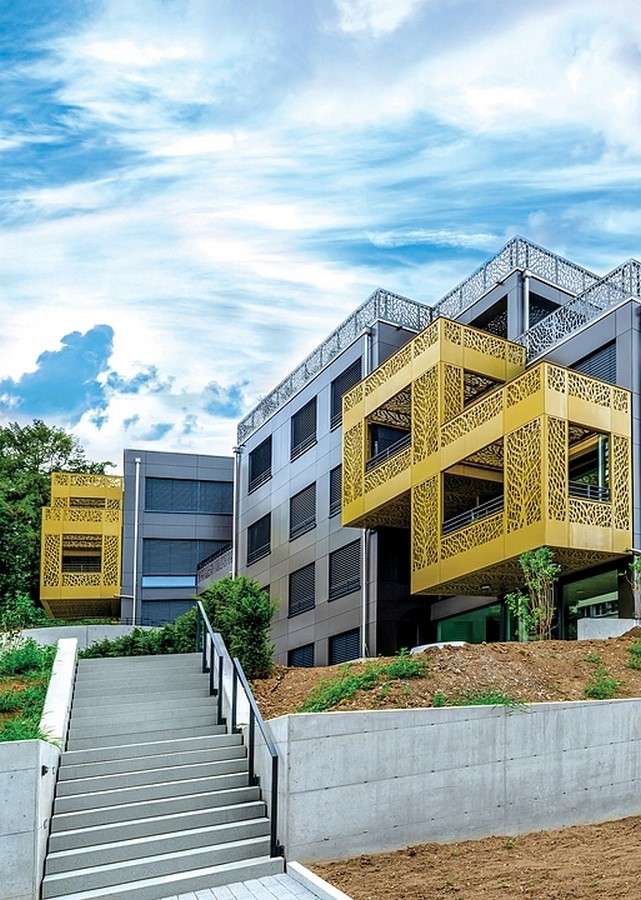
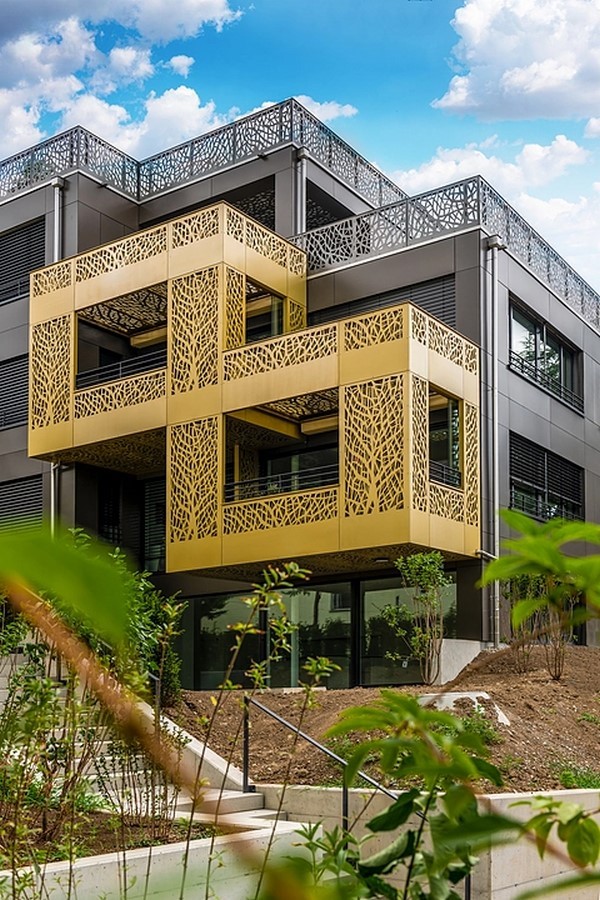
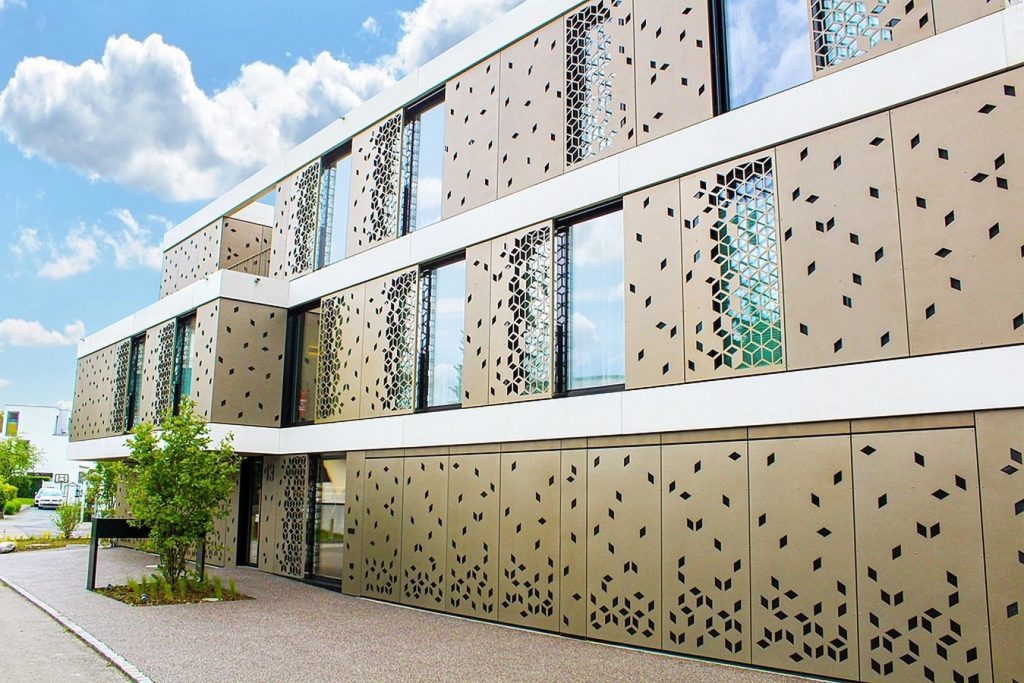
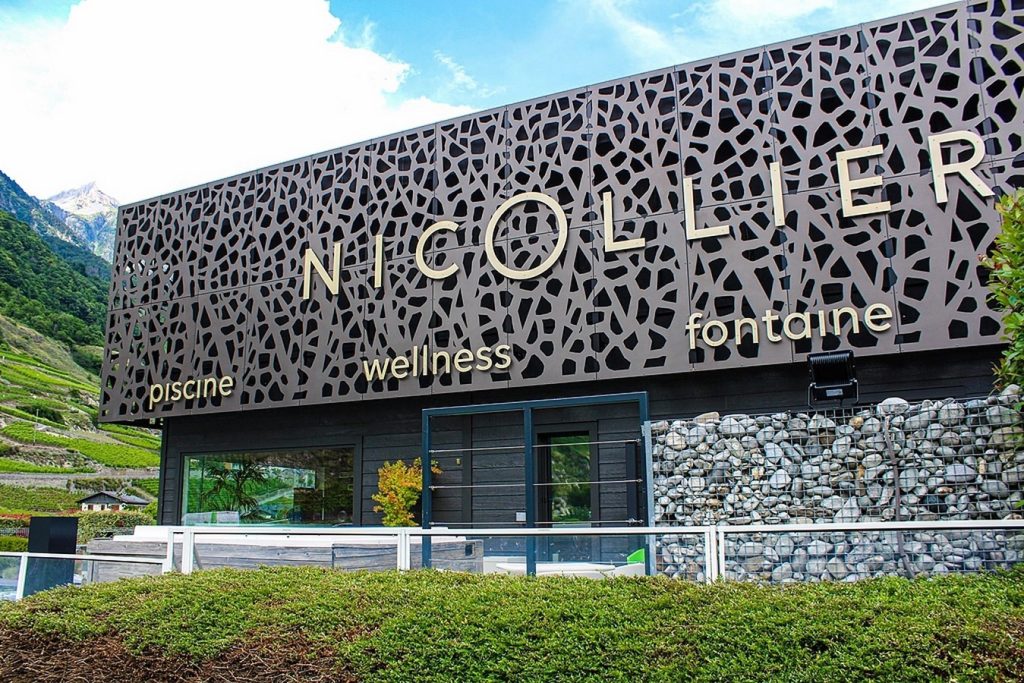
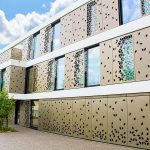
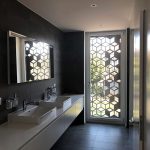
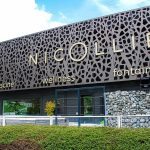
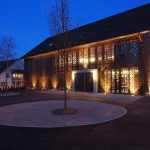
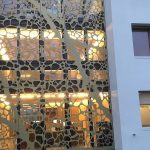
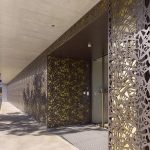
Bruag Design Factory introduces individual facade systems crafted from CELLON, offering the ability to integrate custom perforations and designs. Unlike human appearances, buildings often share similarities, but with Bruag’s flexible CELLON facade system, each structure gains a distinctive identity. Utilizing laser cutting and an extensive color palette, CELLON panels, whether as a plain facade or perforated element, add a unique touch to every building.

  1. Artistry in Perforation Patterns

2.1 Beyond Standard Options

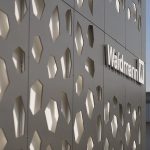
CELLON facade system not only provides an array of standard perforation patterns but also opens the door to personalized designs. This innovation allows for the incorporation of diverse ornaments, including text, company logos, or any preferred pattern, seamlessly blending artistry with architecture.

  1. The Ingenious Back-Ventilated CELLON Facade System

3.1 Advancements in Facade Technology

Bruag’s back-ventilated CELLON facade system stands as a testament to advanced architecture. Crafted from high-pressure laminate panels, each element adheres precisely to specifications and is coated in a selection of over 3000 color shades. The era of standard facades is unequivocally surpassed, as Bruag elevates the concept of facade systems to new heights.

  1. Features and Advantages

4.1 Unrivaled Characteristics

  • Laser-Cutting Precision: CELLON facade system boasts individual shapes, including perforations and ornamentations, achieved through state-of-the-art laser-cutting technology.
  • Mechanical Robustness: Exhibiting durability, the system is resistant to scratches, impacts, and shocks, ensuring longevity in various conditions.
  • Fracture Strength: High fracture strength characterizes CELLON, offering stability without brittleness, making it a reliable choice for facades.
  • Moisture Resistance: The panels resist moisture-induced swelling, maintaining their integrity even in damp conditions.
  • Weather Endurance: CELLON proves frost-proof, ensuring resilience in cold climates, while its termite-proof nature adds to its suitability for diverse environments.
  • Color Variety: With a spectrum of over 3000 color shades, including options like NCS S Edition, RAL, Bruag Alu, or colors inspired by le Corbusier, CELLON provides an extensive choice to match any aesthetic.
  • Natural Aesthetics: The matte surface of CELLON panels delivers a natural appearance, enhancing the overall architectural appeal.
  • Straightforward Installation: The installation process is streamlined, ensuring efficiency in bringing the unique CELLON facade to life.

  1. Material and Format

5.1 Crafting with Precision

  • Material: CELLON is crafted from wood-based panels, ensuring a harmonious blend of natural elements with cutting-edge technology.
  • Format: CELLON facade system is available in slabs, plates, and panels, offering versatility in application and design.

In conclusion, Bruag’s CELLON Perforated Facade Cladding emerges not only as a structural innovation but as a canvas for architectural expression. Redefining the notion of facade systems, CELLON combines precision, durability, and aesthetic diversity, allowing buildings to transcend uniformity and embrace individuality in their exteriors.

scroll to top