Revolutionizing Architecture with Kalzip’s NatureRoof Roof System

220_900_584.jpg
  1. Introduction to NatureRoof by Kalzip

1.1 A Sustainable Roofing Solution

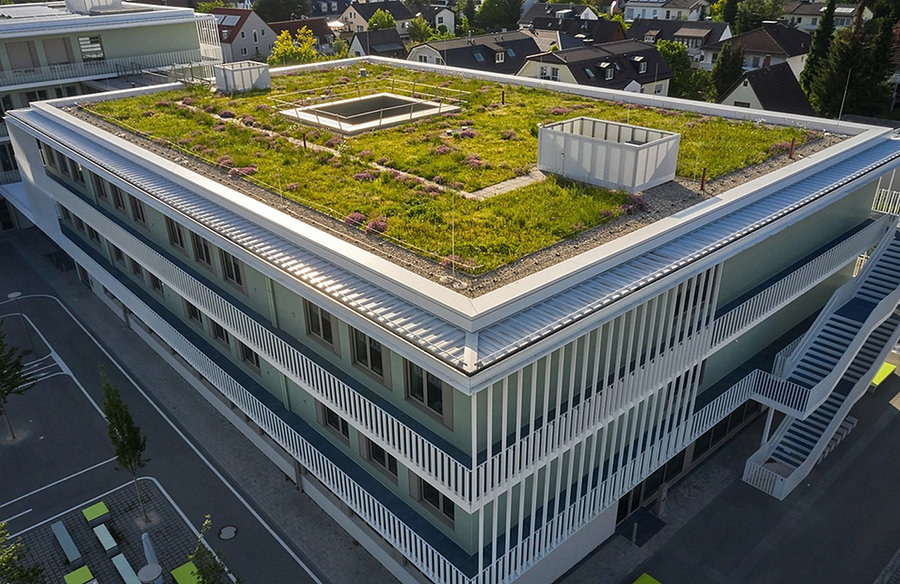
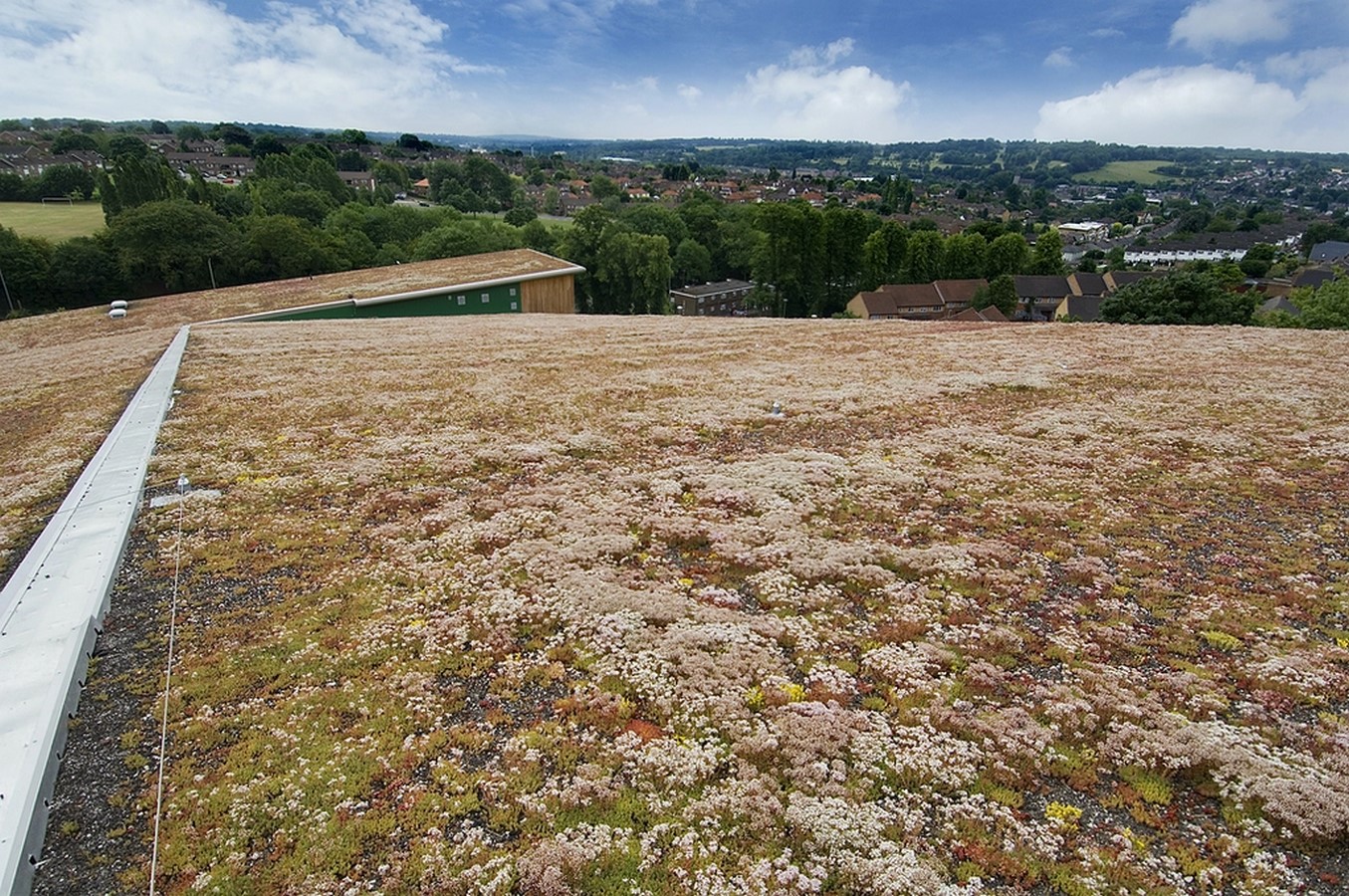
Kalzip presents NatureRoof, a roofing system backed by the renowned Kalzip engineering expertise, boasting an impeccable track record in the industry. Carefully curated components ensure compatibility and contribute to the lightweight design of this roofing system. Recognizing the significance of sustainability in modern architecture, NatureRoof stands out by enhancing thermal performance and incorporating environmentally conscious features.
  1. Lightweight and Environmentally Friendly Design

2.1 Advancing Sustainable Architecture

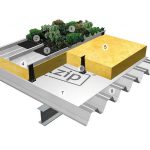
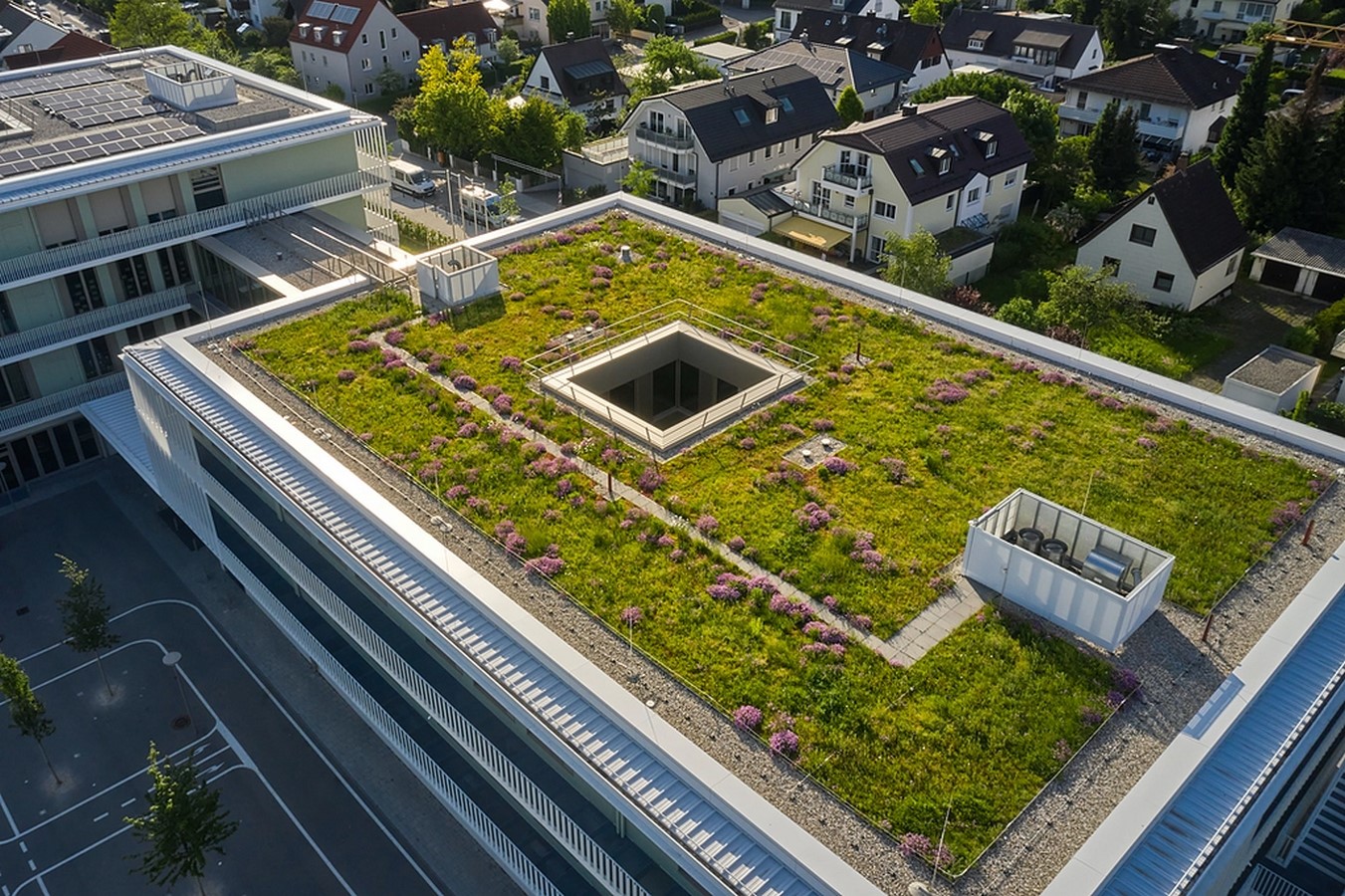
The NatureRoof is designed to be a lightweight roofing system, strategically addressing thermal performance to align with contemporary architectural demands. Its aluminum surface plays a crucial role, providing long-term protection against root penetration and moisture, ensuring durability and longevity. The system’s modular design package facilitates seamless installation directly on the Kalzip profile, contributing to its overall efficiency.

  1. Environmental Benefits and Features

3.1 A Holistic Approach to Sustainability

NatureRoof goes beyond conventional roofing systems by seamlessly integrating into the building’s functionality. It serves as a natural component of the lightning protection system, emphasizing its versatility. Approximately 50% of rainwater is retained on the roof, offering a dual advantage: reduction in wastewater and sewage costs and a positive impact on the environment.
  1. Comprehensive Advantages of Kalzip NatureRoof

4.1 A Multifaceted Solution for Sustainable Living

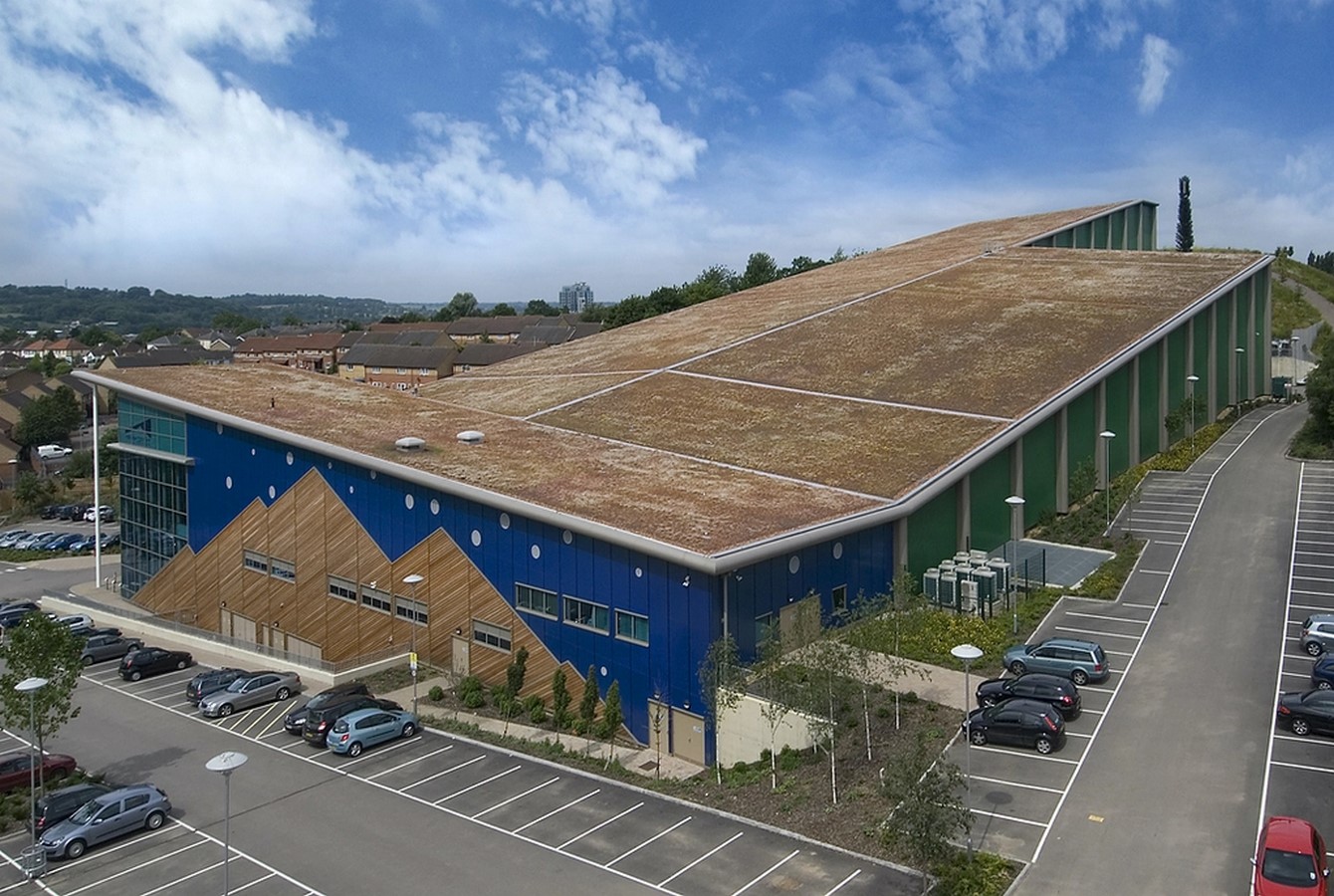
Kalzip NatureRoof offers a range of benefits, contributing to a holistic approach to sustainable living. It significantly reduces wastewater and sewage costs, demonstrating its practical impact. The system excels in rainwater storage, improves the building environment’s oxygen content, microclimate, and humidity, and actively absorbs dust and air pollutants, including CO2. Beyond environmental considerations, it provides thermal and mechanical protection against temperature variations, radiation, and weather effects.

  1. Elevating Building Performance

5.1 Enhanced Thermal Insulation and Year-Round Comfort

The NatureRoof roofing system is not merely a protective covering; it plays a pivotal role in elevating overall building performance. Through improved thermal insulation, it ensures a comfortable year-round room climate. Additionally, the system adds value to the building, aligning with the growing trend of prioritizing ecological balance amidst the challenges of urbanization.
  1. Conclusion: NatureRoof by Kalzip

6.1 Paving the Way for Sustainable Architecture

In conclusion, Kalzip’s NatureRoof redefines the standards of roofing systems in contemporary architecture. By seamlessly blending environmental consciousness, energy efficiency, and innovative design, NatureRoof stands as a testament to Kalzip’s commitment to sustainable building solutions. Embracing this roofing system means embracing a greener, more efficient, and ecologically balanced future.

Benefits & Features:

  • Installation directly on the Kalzip profile
  • Aluminum surface for long-term protection
  • Complete modular design package
  • Integration into the lightning protection system
  • Approximately 50% rainwater retention
  • Reduction in wastewater and sewage costs
  • Enhancement of oxygen content and microclimate
  • Dust and air-pollutant absorption, including CO2
  • Thermal and mechanical protection against environmental effects
  • Improved thermal insulation for year-round comfort
  • Enhanced building value
  • Contribution to ecological balance amid urbanization

Rediscovering Tradition: Blue Bottle Zhang Yuan Cafe by Neri&Hu Design and Research Office

Rediscovering-Tradition-Blue-Bottle-Zhang-Yuan-Cafe-by-NeriHu-Design-and-Research-Office.jpg

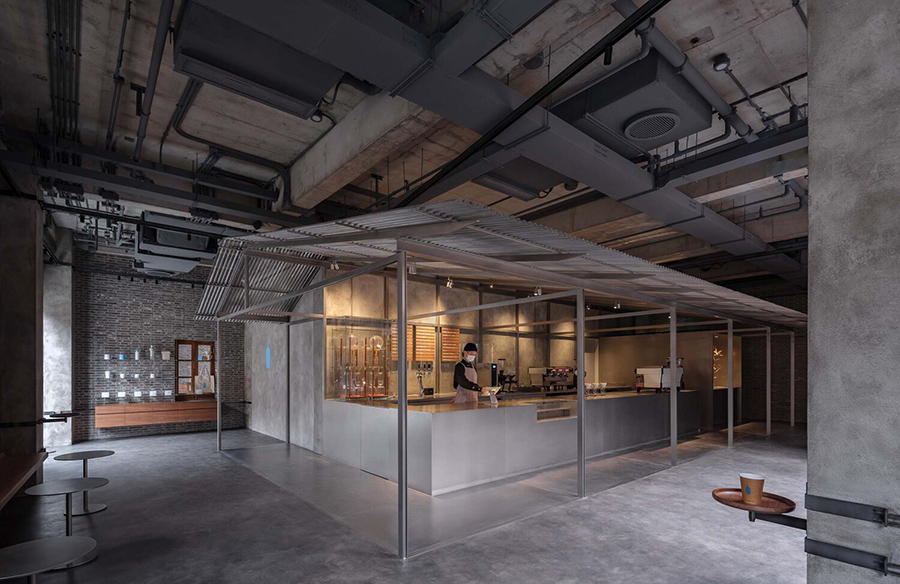
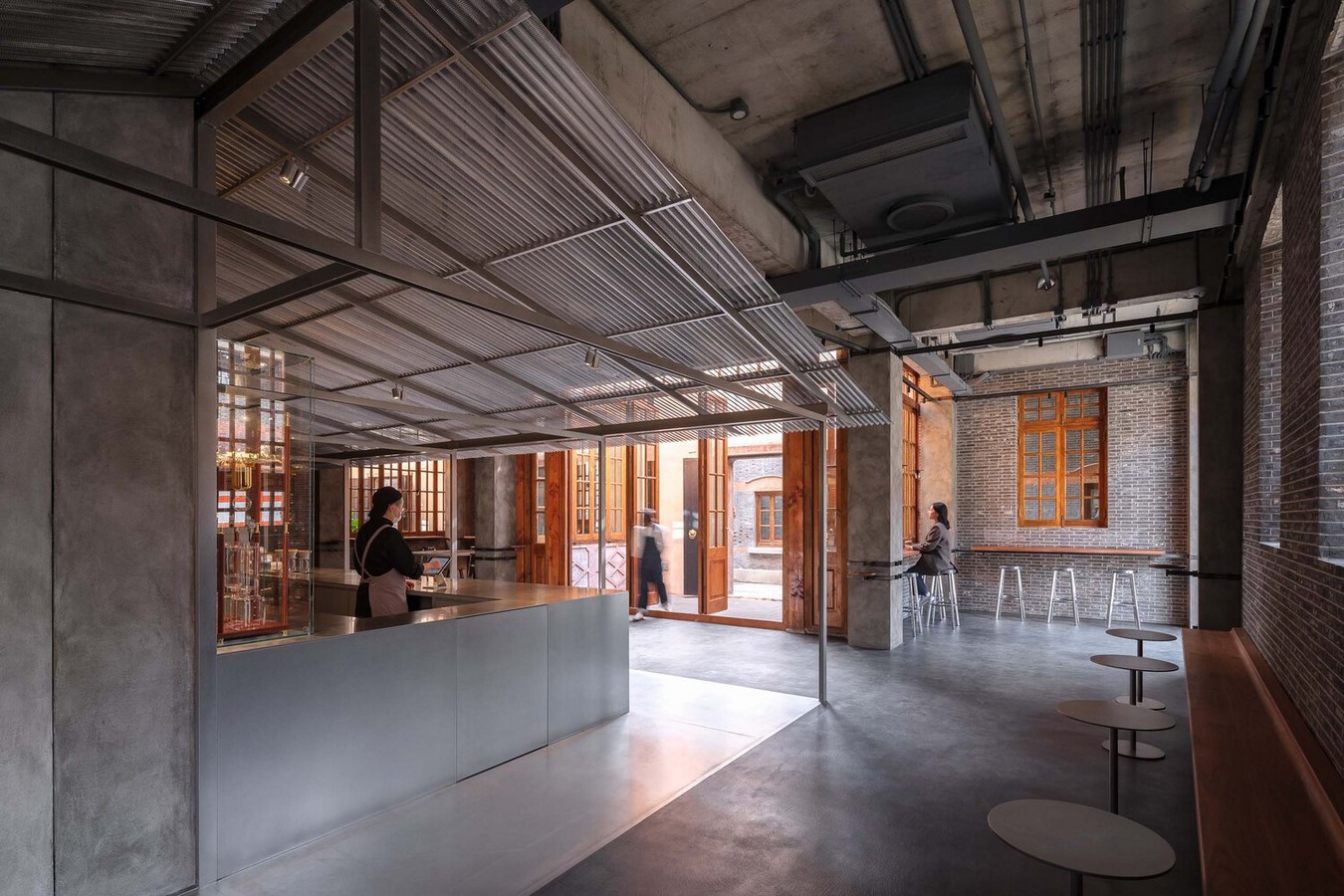
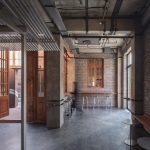
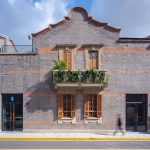
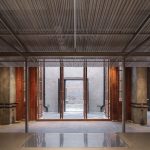
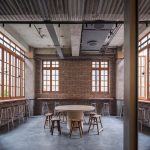
Nestled within the historic landscape of Zhang Yuan, Shanghai’s renowned garden turned public and commercial space, Blue Bottle Zhang Yuan Cafe stands as a testament to the city’s rich history and vibrant contemporary culture. Commissioned by Blue Bottle, Neri&Hu Design and Research Office embarked on a journey to infuse the old with the new, creating a unique retail space within one of the traditional Shikumen residences.

Bridging Past and Present

As Zhang Yuan reopens its doors to the public following extensive restoration, Blue Bottle seeks to initiate a dialogue between Shanghai’s storied past and its bustling present. Against the backdrop of architectural relics and shadowy lanes, the cafe emerges as a beacon of modernity, inviting locals and visitors alike to immerse themselves in a narrative journey through time.

Preserving Heritage

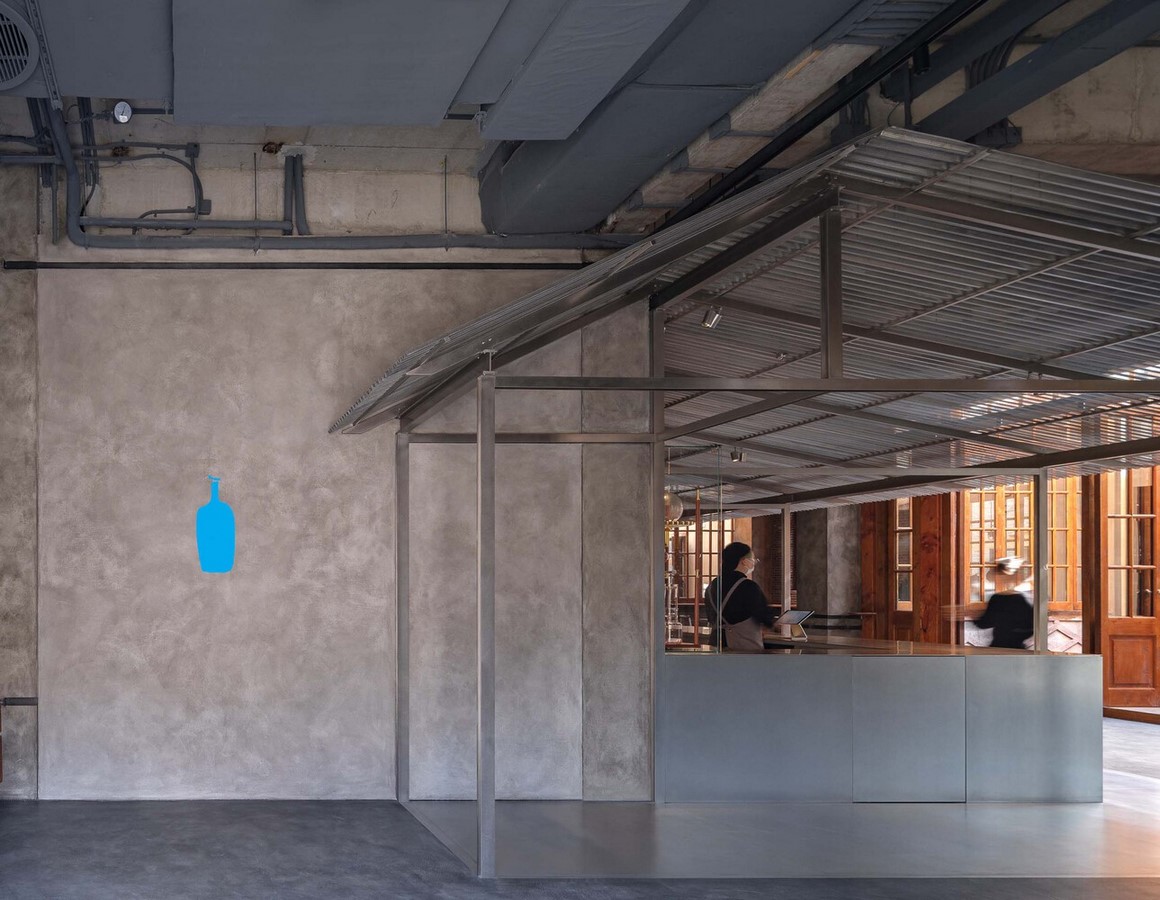
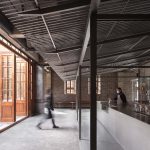
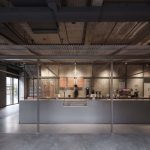
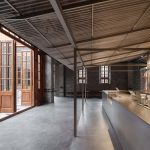
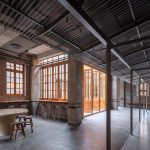
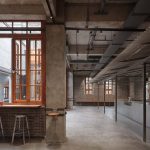
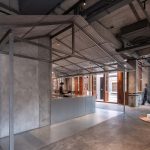
Adhering to strict historic preservation guidelines, Neri&Hu opted to retain the original brick walls, doors, and windows, seamlessly integrating them into the cafe’s design. A primitive shelter, symbolizing the essence of architecture, takes center stage, serving as both a visual focal point and a hub for coffee preparation and service. An elongated alley-like space connects the main street to the atriums, paying homage to the leisurely social moments of traditional Shikumen life.
Blending Tradition with Innovation
To complement the weighty presence of the existing architecture, Neri&Hu meticulously crafted lightweight design elements using brushed stainless steel and perforated bent steel for the roof structure and surface, respectively. Drawing inspiration from the informal extensions of private spaces into the alley, structural columns are repurposed as multifunctional elements, serving as light rails, side tables, and benches. The interior features a curated selection of repurposed traditional furniture, bridging the gap between old and new, tradition and innovation.
In essence, the Blue Bottle Zhang Yuan Cafe serves as a harmonious fusion of history and modernity, paying homage to Shanghai’s rich cultural heritage while embracing the dynamism of contemporary urban life.

Embracing Bay Windows: The Bay Window Tower House by Takaaki Fuji + Yuko Fuji Architecture

Embracing-Bay-Windows-The-Bay-Window-Tower-House-by-Takaaki-Fuji-Yuko-Fuji-Architecture.jpg

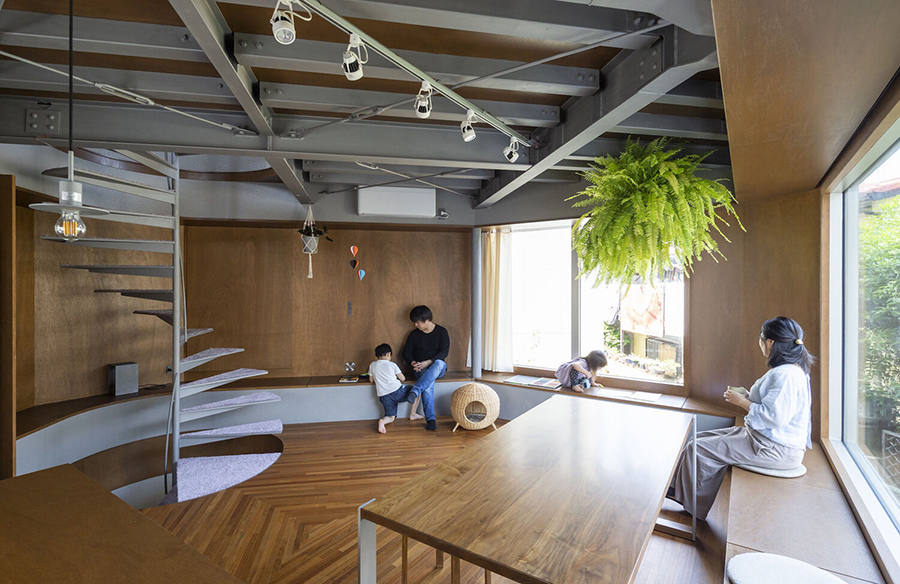
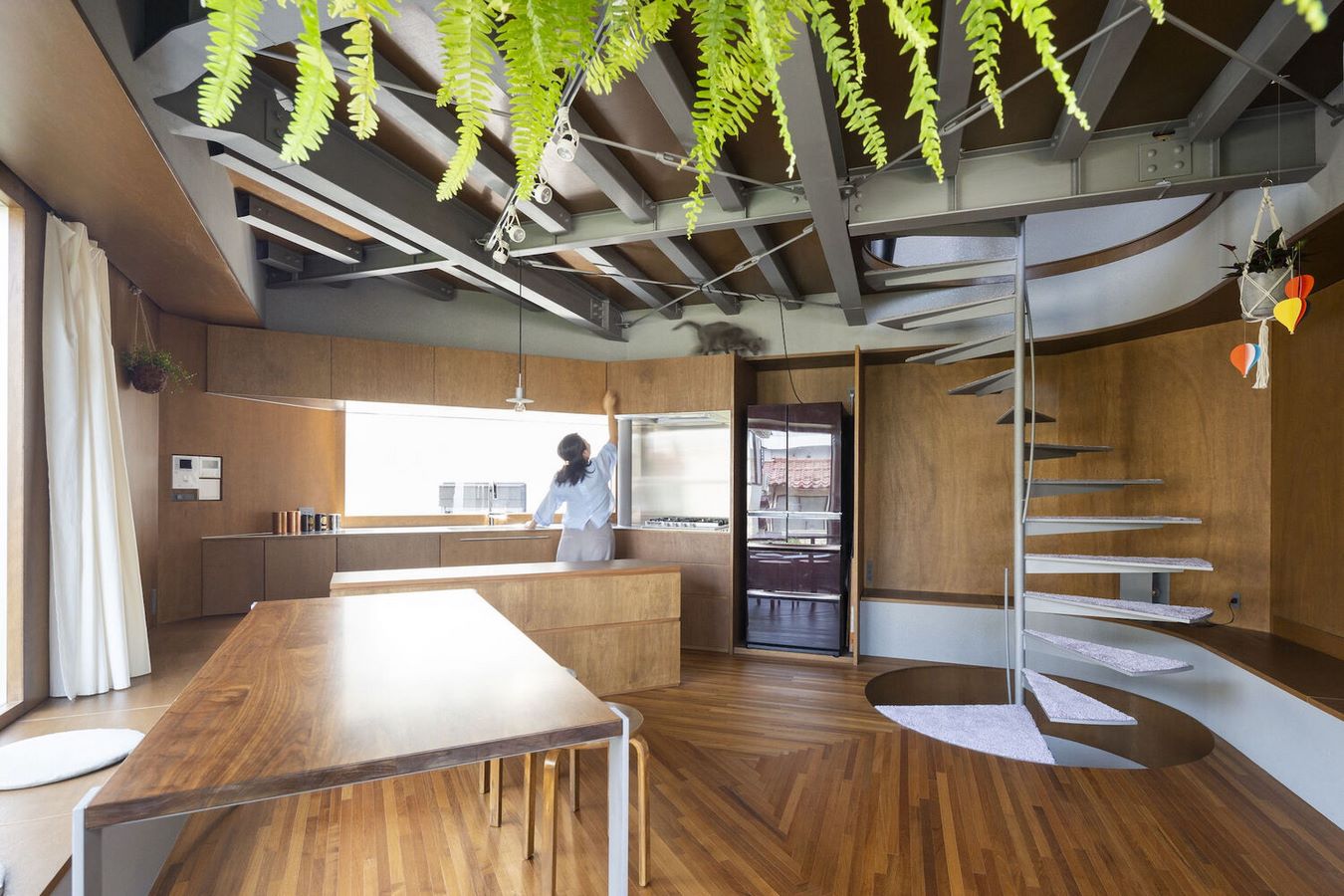
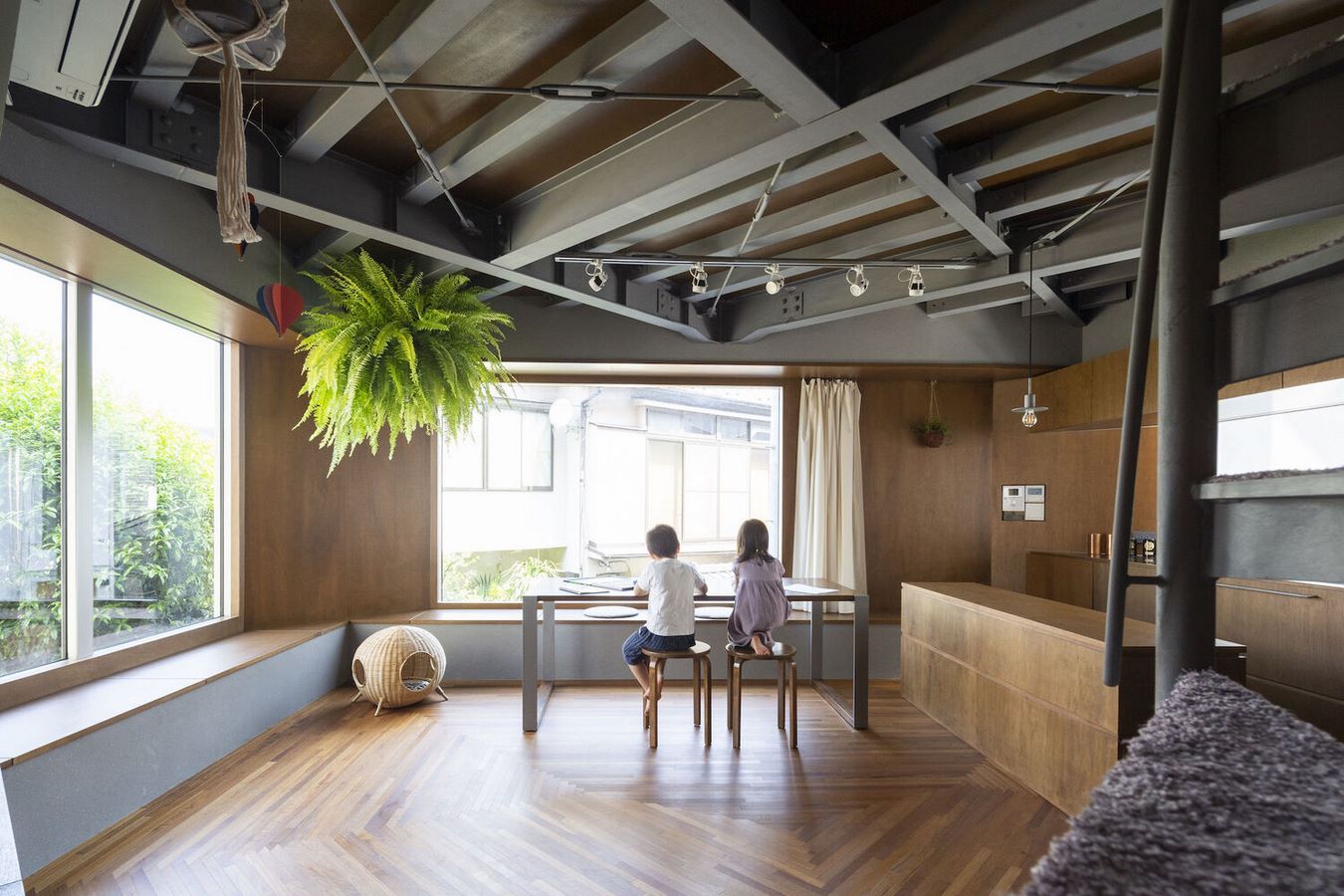
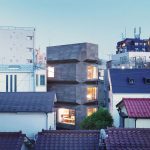
Designed to accommodate a couple, their two children, and their beloved cats, the Bay Window Tower House is a unique blend of residence and office space situated on a compact urban lot. This architectural marvel boasts bay windows on all sides, inspired by diverse global interpretations of these architectural elements, ranging from light sources to functional furniture pieces.

Bay Windows: A Multifaceted Design Element

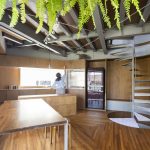
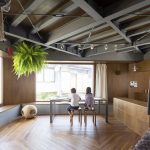
Incorporating bay windows on every floor and side of the building, the architects aimed to offer residents a plethora of choices for their daily activities. These windows serve as versatile spaces for relaxation, work, sleep, and leisure, seamlessly integrating into the fabric of daily life within the tower.

Fostering Community Harmony

One of the key challenges addressed in the design process was fostering a positive relationship between the tower and its neighboring single-family houses. To mitigate the risk of overshadowing neighboring windows and creating a sense of enclosure, the architects strategically sliced off the corners of the building. This innovative approach not only created garden pockets for residents but also expanded the visual space for neighboring properties, effectively turning them into virtual bay windows.

Harnessing Feng Shui and Environmental Considerations

The octagonal footprint resulting from slicing off the corners aligns with principles of feng shui, symbolizing luck and harmony. Moreover, this shape minimizes airflow turbulence around the building, enhancing environmental sustainability. To optimize natural ventilation and lighting, the architects deployed three types of bay windows: transparent windows for light, openable windows for ventilation, and fixed windows for insulation. These windows are strategically positioned to maximize their efficacy in regulating light, heat, and airflow.

Sustainable Solutions for Climate Control

In response to seasonal variations in temperature and heat load, the exterior of the tower is clad in carbonized cork—a lightweight, highly insulating, and eco-friendly material. This innovative solution not only enhances thermal insulation but also contributes to the tower’s aesthetic appeal.

Dynamic Living Spaces

The Bay Window Tower House offers a dynamic living environment, where residents can seamlessly transition between different spaces based on seasonal variations, time of day, and personal preferences. Guided by the behavior of their feline companions, the family finds solace in areas bathed in sunlight, tempered by gentle breezes, and tailored to their needs.

In essence, the Bay Window Tower House stands as a testament to Takaaki Fuji + Yuko Fuji Architecture’s ingenuity and commitment to creating harmonious, sustainable living spaces that foster community engagement and environmental stewardship.

Transforming Spaces: Banacado Café by ASKA

Transforming-Spaces-Banacado-Cafe-by-ASKA.jpg

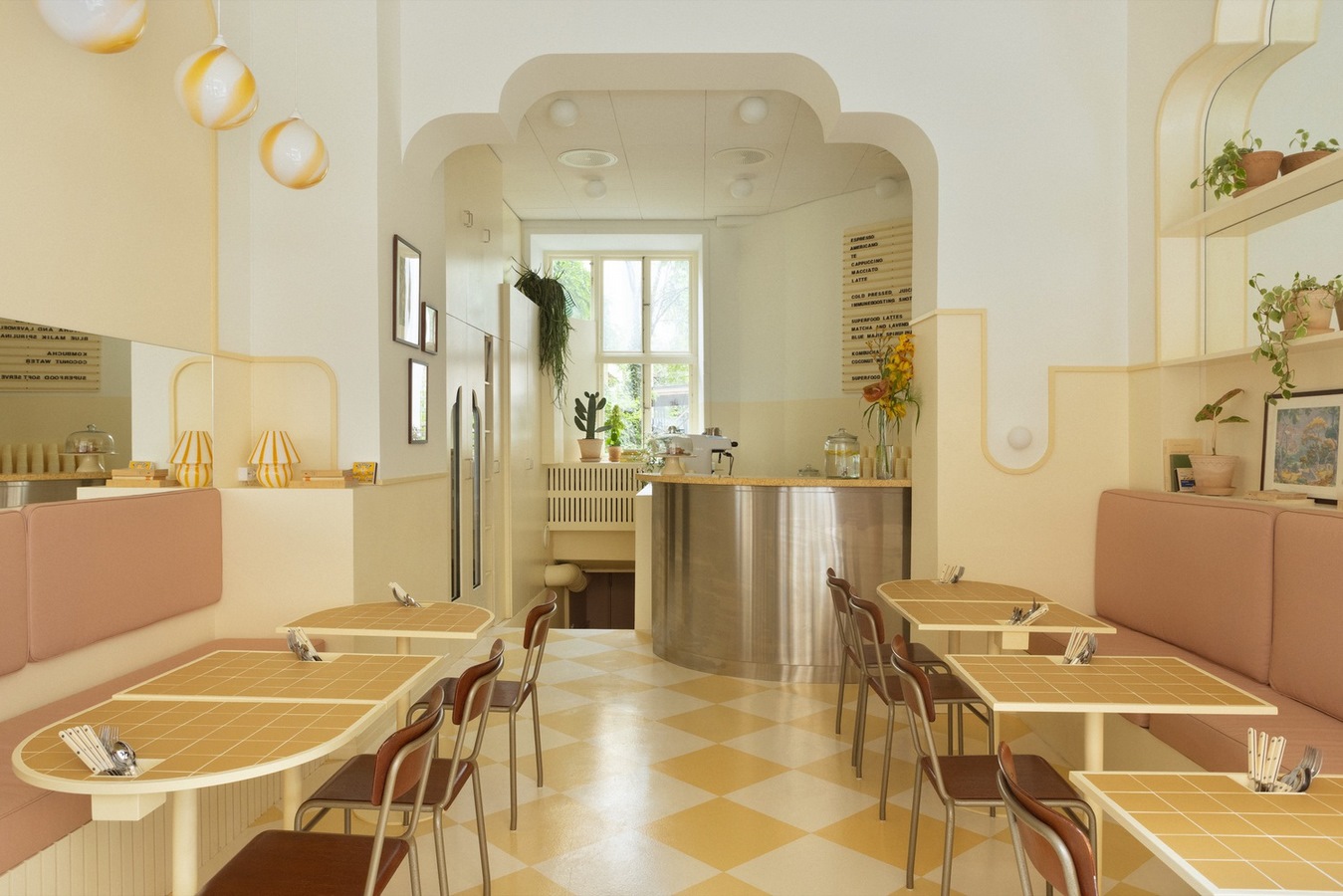
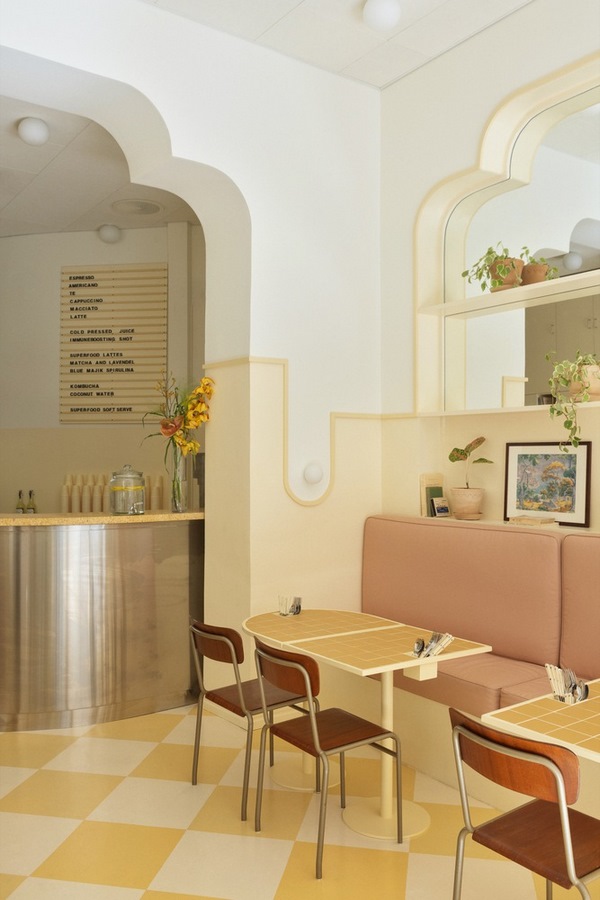
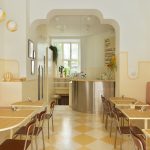
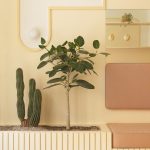
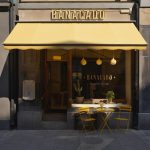
Located in the bustling district of Vasastan, Stockholm, Banacado Café unveiled its vibrant ambiance earlier this summer, courtesy of ASKA architects. Spanning a modest 70 m2, the café underwent a metamorphosis into a captivating dreamscape, embodying a fusion of tropical allure and cinematic nostalgia.

Embracing Exoticism: A Visual Odyssey

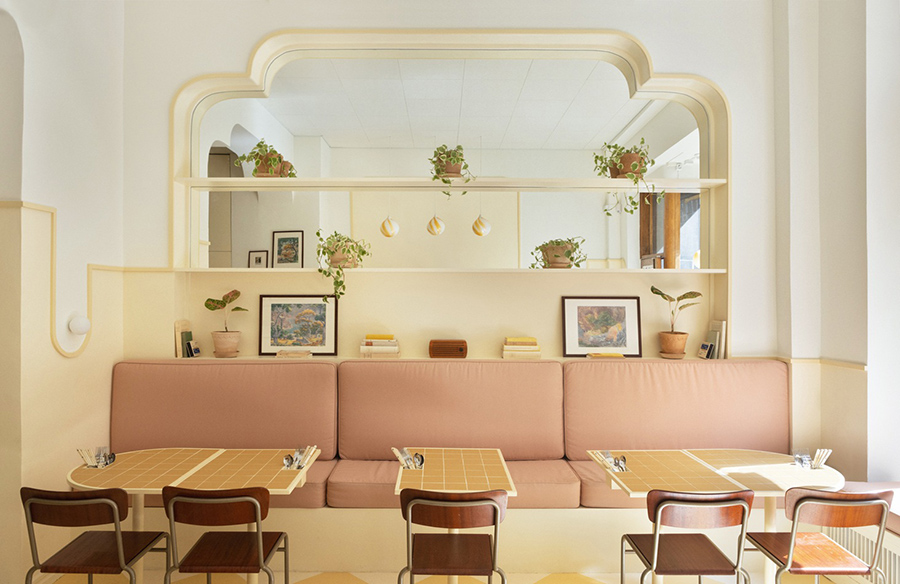
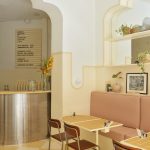
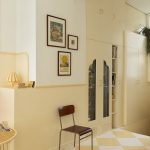
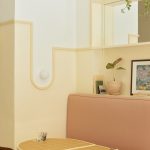
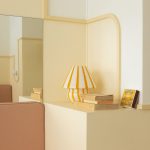
Step inside Banacado Café, and you’re immediately engulfed in a luminous aura, evoking an exotic atmosphere reminiscent of distant shores. The interplay of light and color seamlessly integrates with the café’s vibrant culinary offerings. Drawing inspiration from Cuba’s aesthetic charm, ASKA infuses the space with elements like shelving idioms, arches, and a painted checkerboard floor, transporting patrons to sun-kissed locales.

A Timeless Reverie: Nostalgic Delights

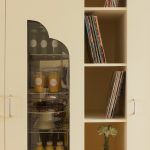
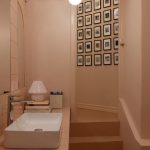
Banacado Café exudes an air of timeless elegance, akin to a scene from a classic film captured through a sepia lens. Vintage nuances permeate the space, with LP players and polaroid walls evoking a bygone era, inviting patrons to linger and savor the moment. ASKA’s cinematic influences infuse the café with a surreal, dreamlike quality, elevating the dining experience to an art form.

Artistic Flourishes: Craftsmanship and Creativity

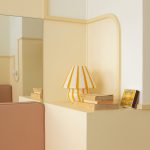
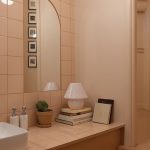
The café’s charm lies in its meticulous attention to detail, where artistry converges with functionality. Hand-blown lamps by glass artist Ulla Gustafson add a whimsical touch, reminiscent of candy wrappers, while impressionist motifs by painter Carl Palmé imbue the space with poetic allure. ASKA’s multidisciplinary approach shines through, with bespoke design pieces and curated artwork enhancing the café’s distinct personality.

A Bold Statement: Striving for International Flair

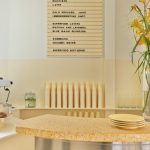
Banacado Café boldly redefines Stockholm’s culinary landscape with its cosmopolitan flair and avant-garde aesthetic. Luxurious touches, such as form-cut mirrors and premium materials like terrazzo and stainless steel, elevate the café’s ambiance, reflecting a global sensibility akin to metropolitan hubs like London and New York.

Crafting a Vision: Attention to Detail

ASKA’s vision extends beyond architectural transformation, encompassing graphic design, furniture crafting, and branding. From bespoke tables featuring ochre tiles to integrated cutlery holders, every element is meticulously curated to harmonize with the café’s overarching aesthetic, culminating in a sensory journey that transcends mere dining.

In essence, Banacado Café emerges as a testament to ASKA’s ingenuity and artistic vision, offering patrons an immersive experience that transcends the ordinary. With its eclectic blend of tropical exuberance and cinematic nostalgia, the café beckons visitors to embark on a culinary odyssey unlike any other.

scroll to top