Fostering Community Harmony Kanghui Community Space in Xietu Sub-District

97_900_584.jpg

Architects: atelier mearc
Year: 2023
Location: Xu Hui Qu, China
Photographs: Shan Liang
Unveiling Xietu Sub-District’s Urban Tapestry

Nestled in the vibrant Xietu Sub-District of Xu Hui Qu, the Kanghui Community Space by atelier mearc stands as a beacon of community integration. Spanning 315 m² and brought to life in 2023, this architectural gem, captured through the lens of photographer Shan Liang, breathes new life into the social fabric of the Xietu Sub-District.
Embracing Diversity: Kangju Community and Chaling Road

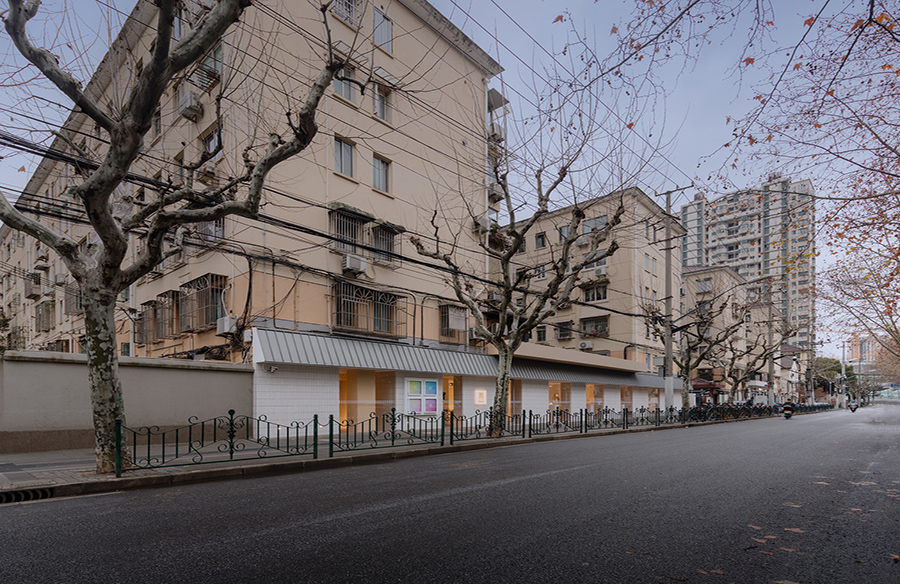
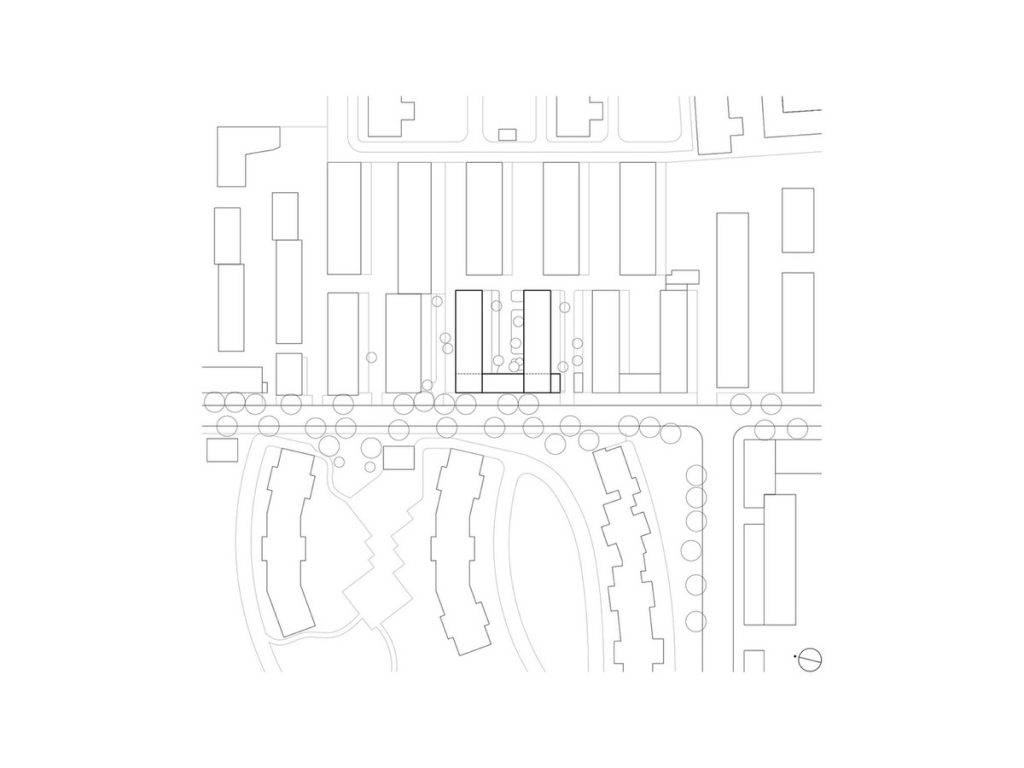
Xietu Sub-District boasts a diverse history, with Kangju Community being one of its 19 distinctive neighborhoods. Over the decades, various architectural epochs, from workers’ villages to multi-story residences, have painted a rich urban tapestry. However, despite living in proximity, residents often remain strangers, hindered by age, background, and perception barriers.
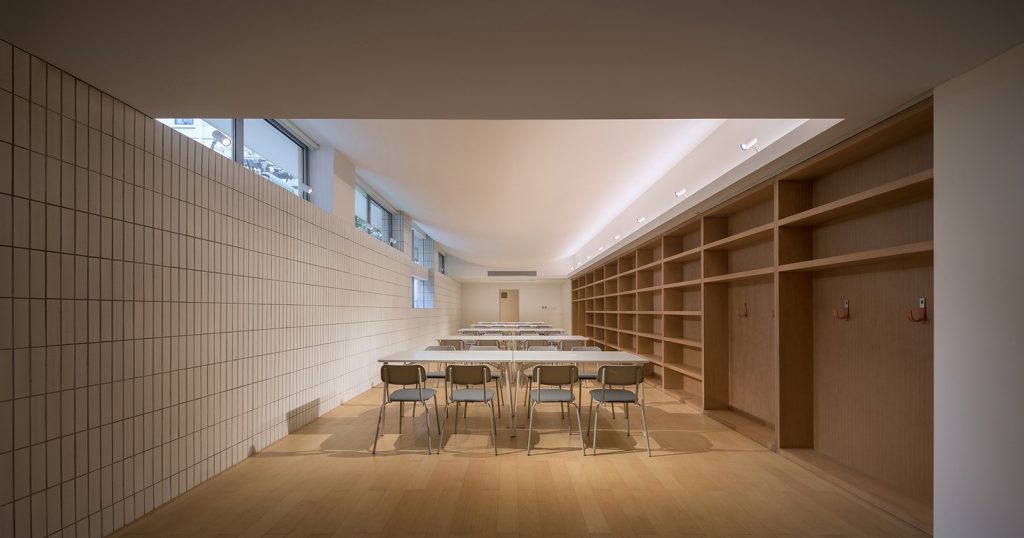
The Evolution of ‘Indoor Chaling Road’

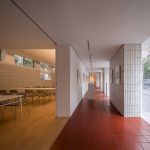
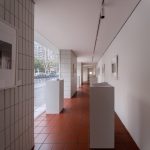
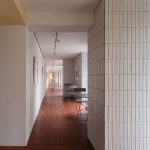
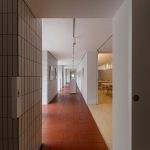
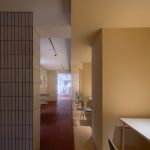
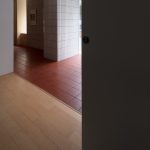
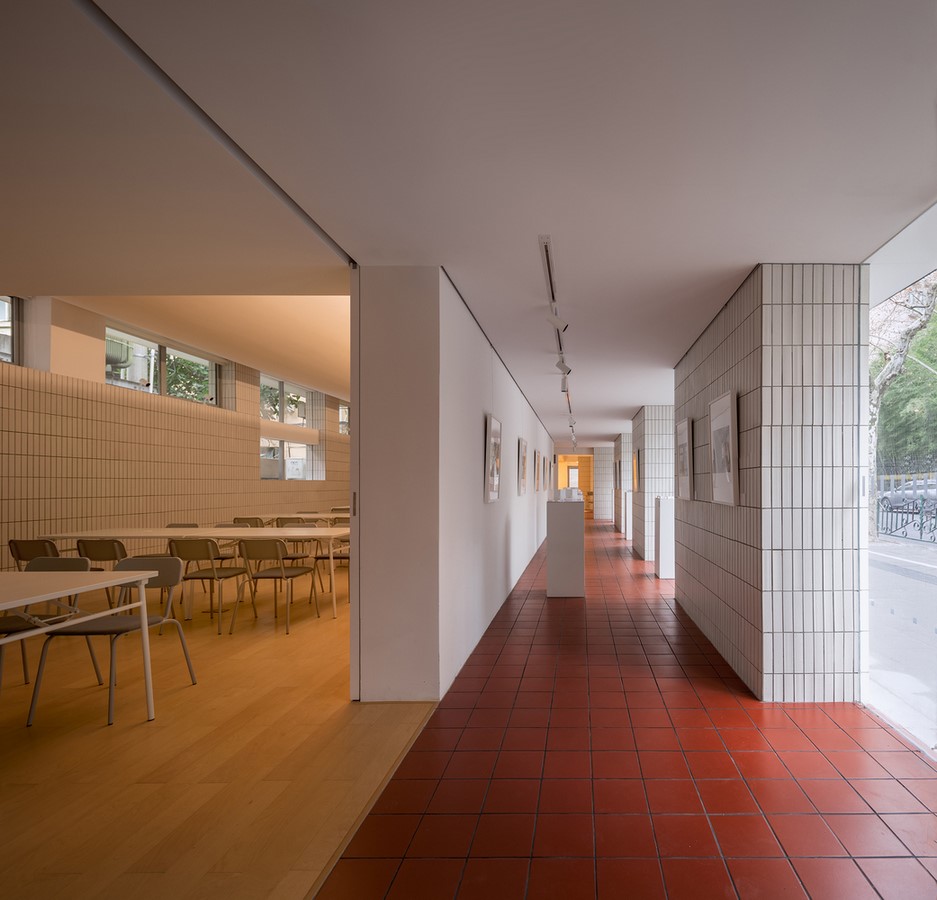
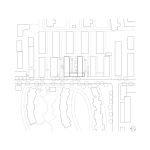
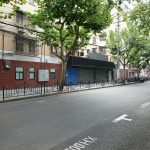
Transforming the erstwhile fresh supermarket venue at 77 Chaling Road, the architects envisioned a dynamic community space. Dubbed ‘Indoor Chaling Road,’ this 2.4-meter-wide, 40-meter-long corridor serves as a meeting ground for Kangju residents. Symbolizing an inviting, open, and integrated space, the corridor aligns with the outdoor Chaling Road, intertwining with the essence of life.

Harmonizing Traditional and Modern Functions

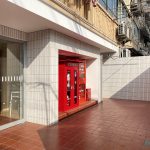
The architects ingeniously amalgamated traditional neighborhood committee functions with contemporary elements. Housing mediation rooms, offices, server rooms, and daily services, the corridor seamlessly integrates self-help, elderly care, and assistance initiatives. Modular study seats and micro fire stations further enhance the functional simplicity, promoting a comfortable sensory experience.
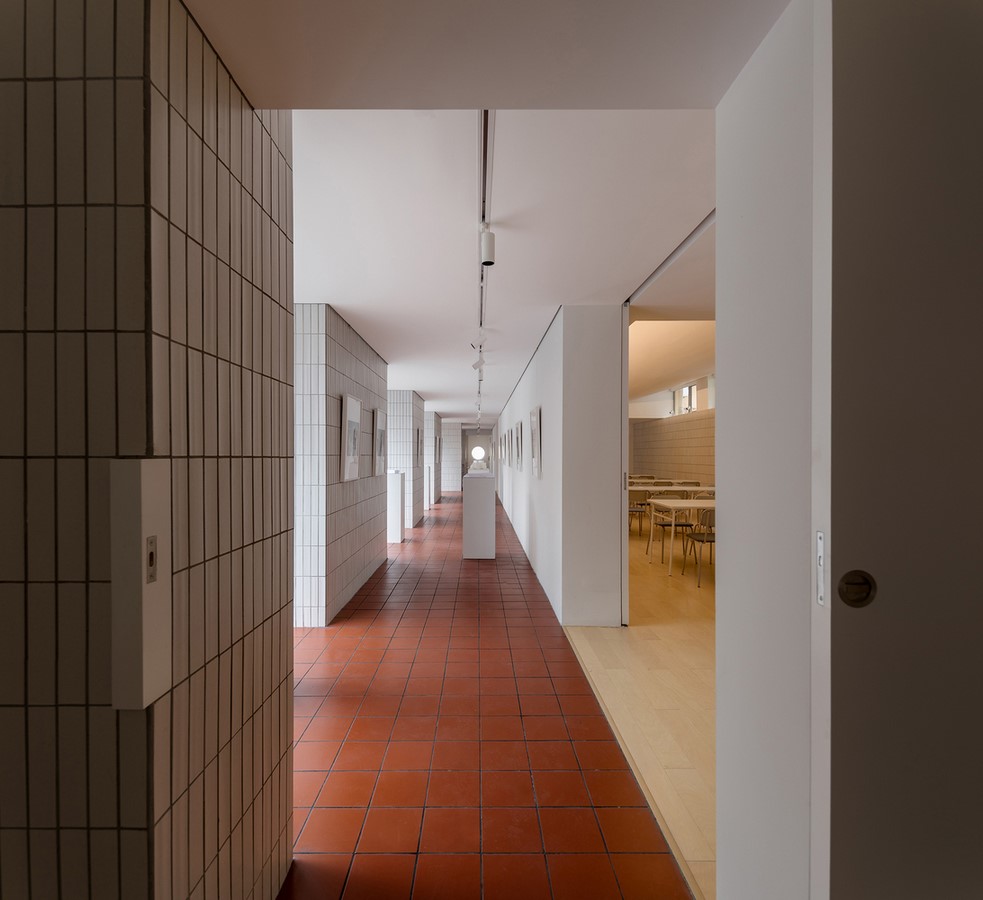
Spatial Dynamics: The Heart of Community Interaction

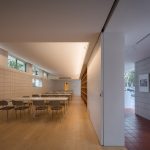
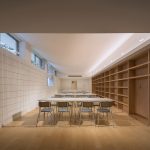
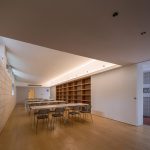
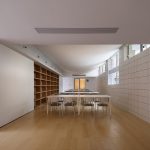
At the core of Kanghui Community Space lies the activity area, characterized by a reversed arch top that shapes the space’s spirituality. Strategically positioned windows near the ceiling establish a visual connection with the community environment, allowing natural light to mingle with interior lighting. The moveable and storable furniture adds versatility to the space, catering to diverse community needs.
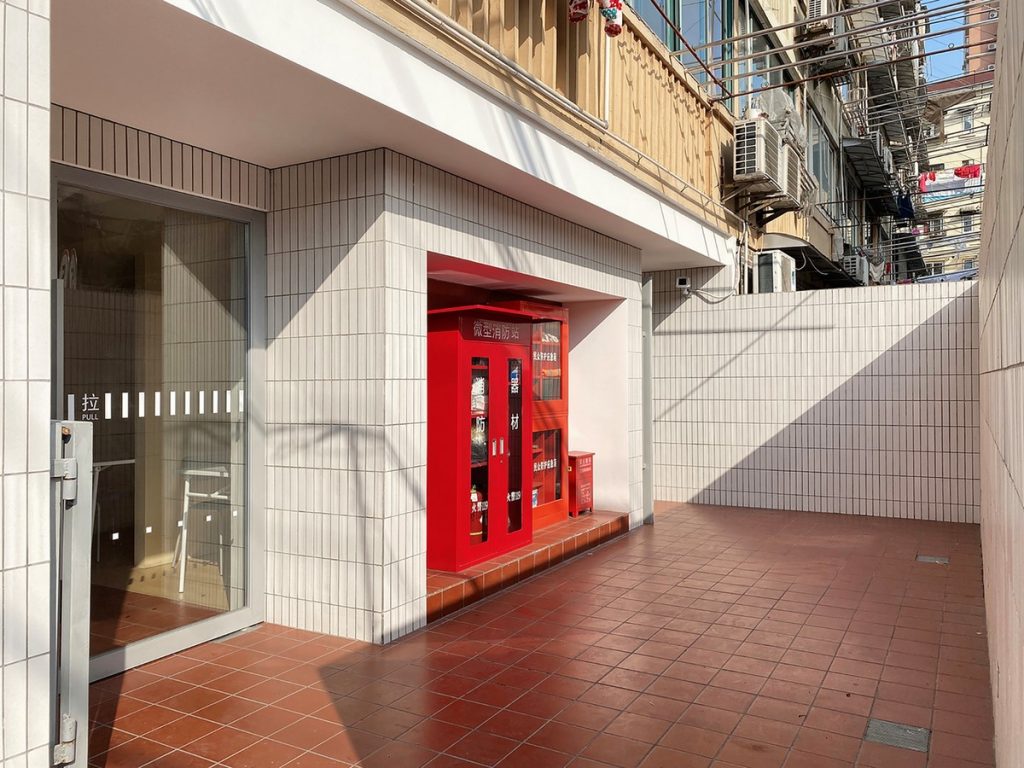
Aesthetic Fusion: Titanium-Zinc Plate Roof and Decorous Facade

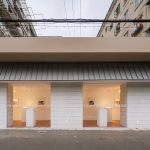
As the community building comes into view along Chaling Road, its titanium-zinc plate roof cleverly conceals pipelines, offering a polished appearance. Redesigned electrical boxes transformed into poster columns contribute to the aesthetic appeal. The clean and tidy façade, adorned with red, white, yellow, and grey hues inspired by the locale, erases the sense of distance, marking the birth of the new Kanghui Community Center.
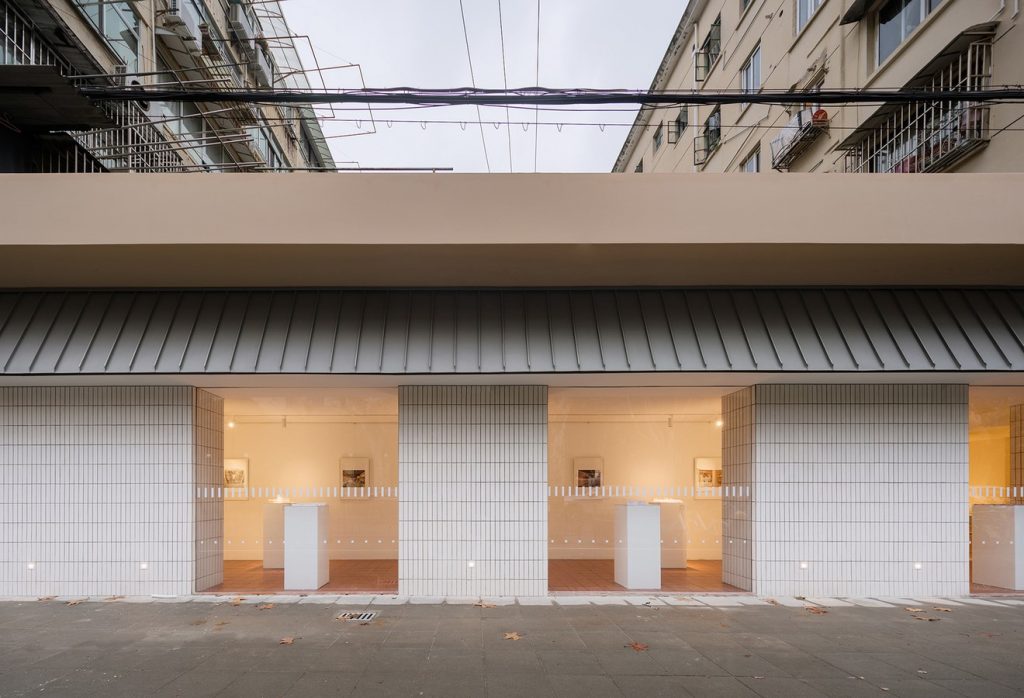
Nurturing Community Identity

The Kanghui Community Space emerges as a nurturing ground for a burgeoning sense of community identity based on understanding. Breaking down barriers and fostering inclusivity, this architectural endeavor exemplifies atelier mearc’s commitment to weaving a harmonious urban tapestry within Xietu Sub-District.
Reimagining Heritage Wraxall Yard’s Holistic Approach to Inclusive Architecture

96_900_584.jpg

Architects: Clementine Blakemore Architects
Year: 2022
Location: United Kingdom
Photographs: Lorenzo Zandri

Sensitively Restoring Heritage at Wraxall Yard

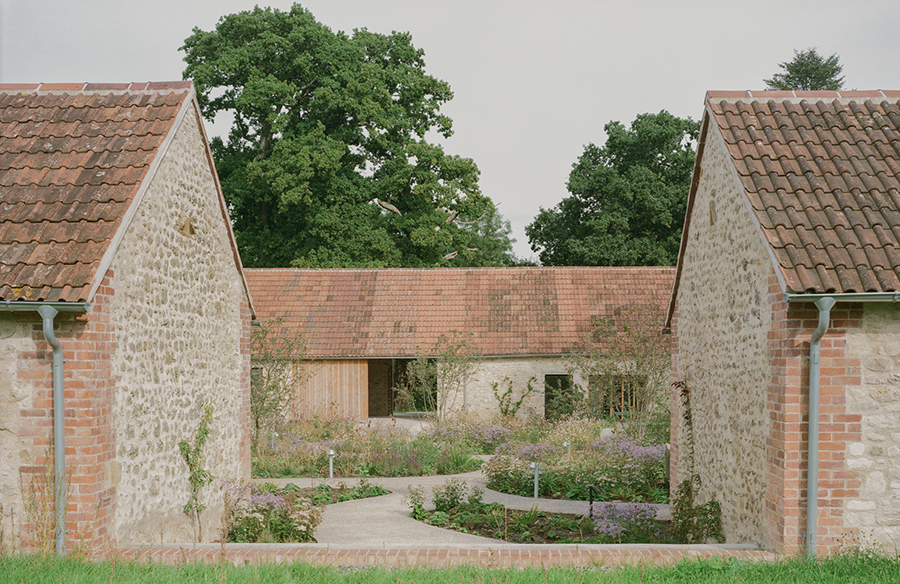
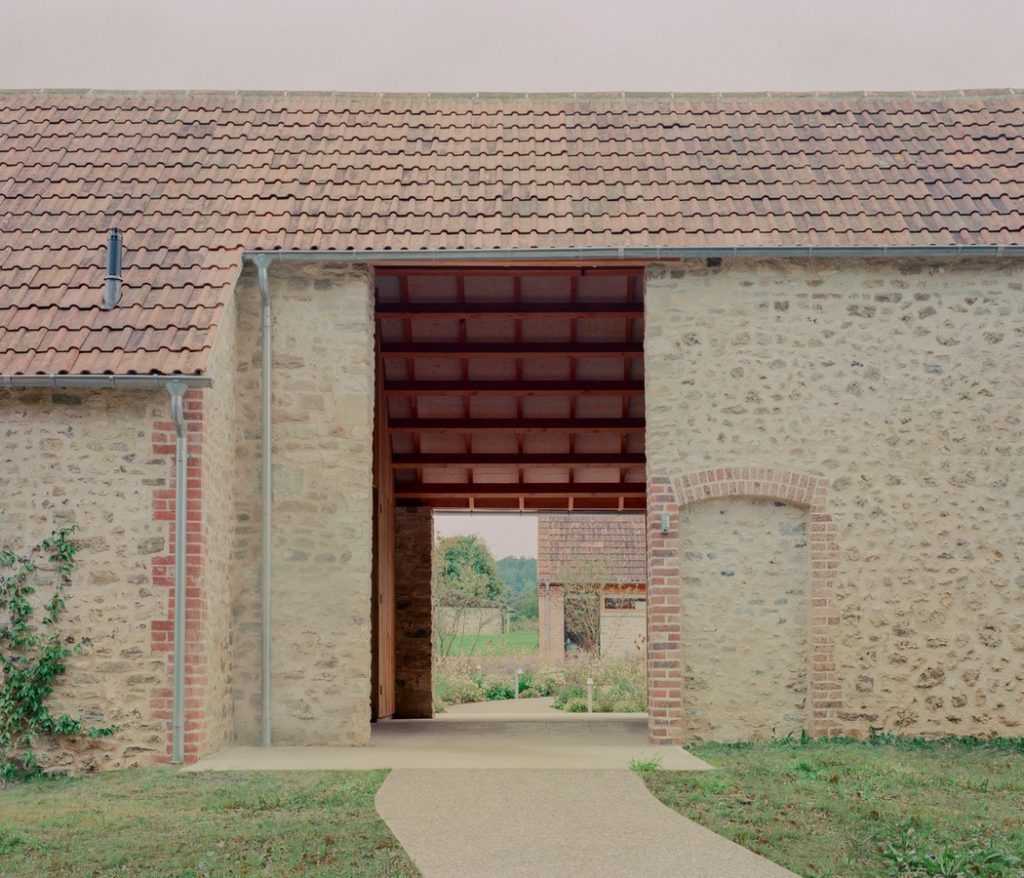
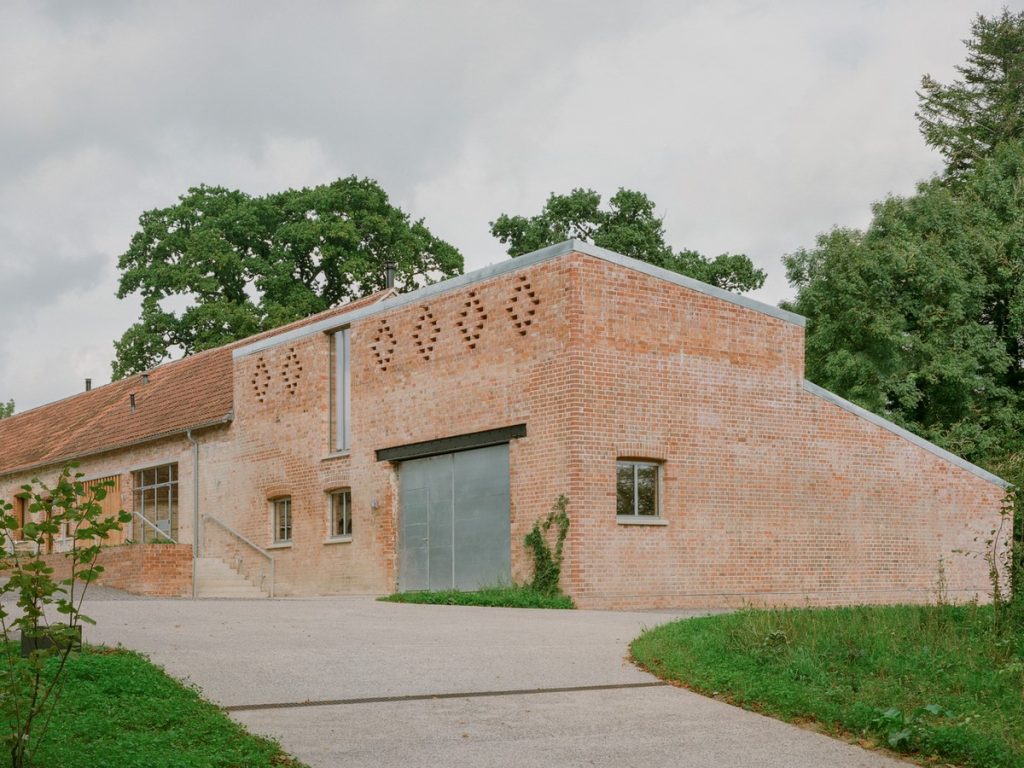
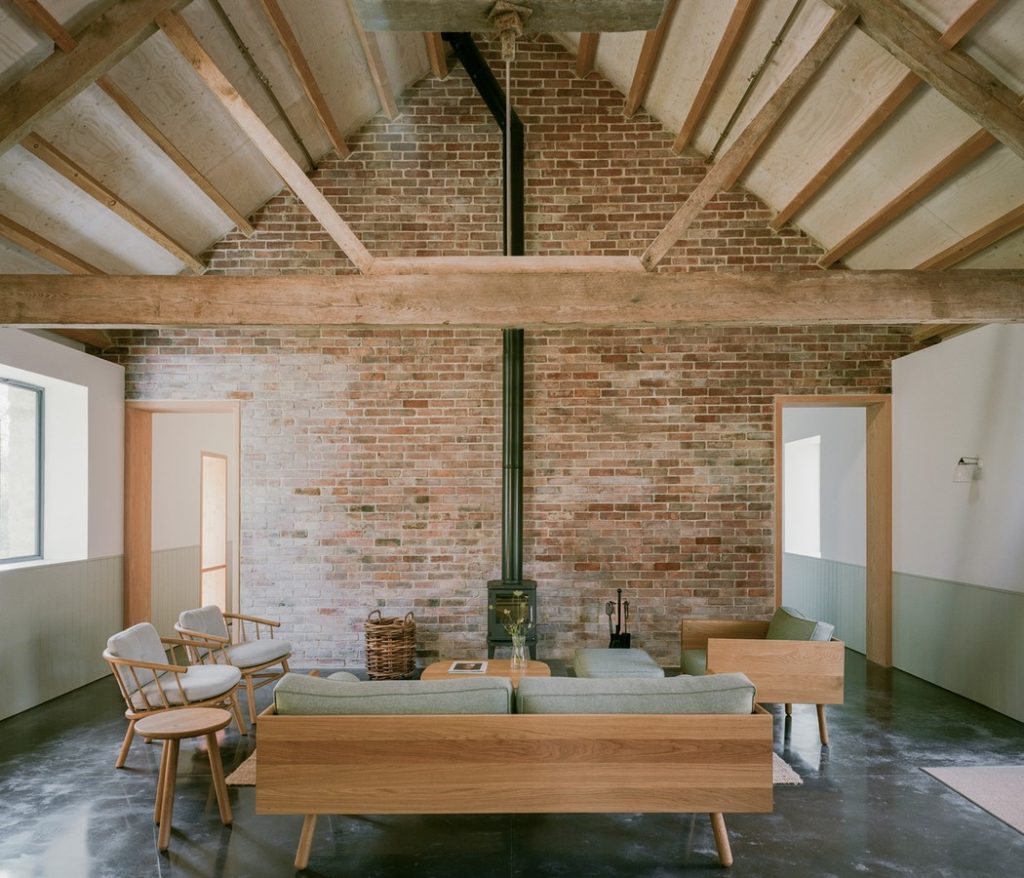
Nestled within the idyllic landscape of Dorset, Wraxall Yard stands as a testament to the artful restoration undertaken by Clementine Blakemore Architects. This project, situated on a dairy farm within the West Dorset Area of Outstanding Natural Beauty, encompasses inclusive holiday accommodations, a community space, a workshop, and an educational smallholding. The architects’ vision was to breathe new life into the derelict site while upholding standards of accessibility and sustainability, harmonizing with its historic and agricultural context.
A Holistic Haven: Wraxall Yard’s Completed Scheme

The completed scheme, introduced in July 2022, offers five individual holiday accommodations and a community space. Approximately 60% of bookings have been from families with disabled members, emphasizing the success of the project in providing inclusive spaces. In collaboration with the Green Island Trust, the site will host supported holidays for local individuals living with disabilities.
Community Engagement and Outreach

Wraxall Yard goes beyond commercial endeavors, offering its community space for free events such as gatherings for isolated elderly individuals. An upcoming volunteer scheme, in partnership with the Dorset Area of Outstanding Natural Beauty, aims to involve young people dealing with mental health and addiction issues in countryside engagement initiatives.

Preservation of Heritage and Sustainable Design

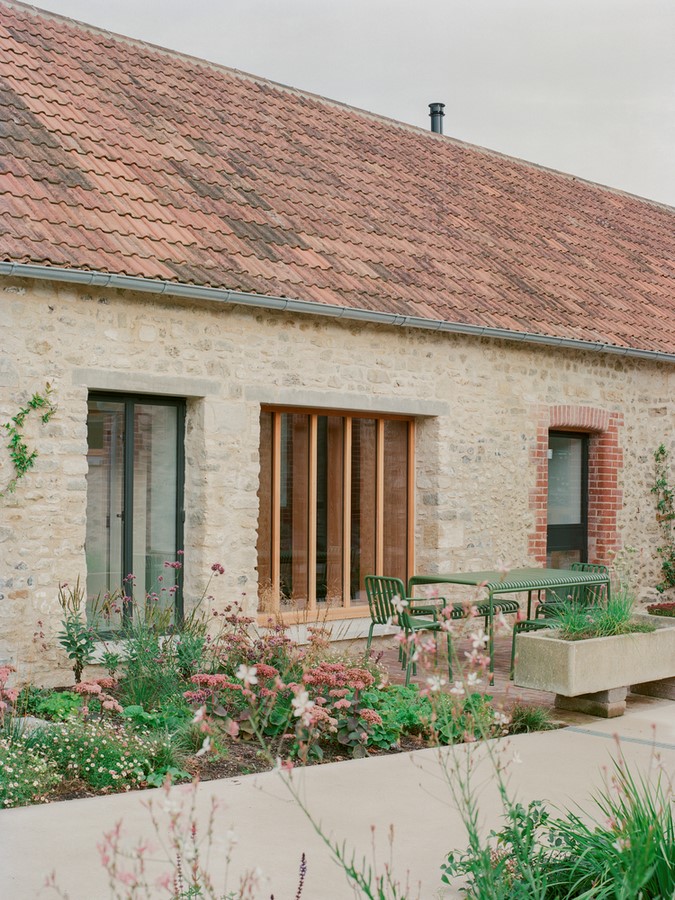
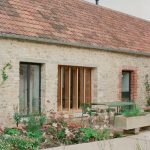
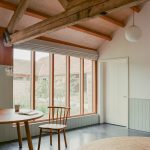
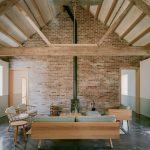
Preserving the original building fabric took precedence in the restoration process. Skilled craftspeople used reclaimed materials alongside eco-friendly options such as cork and wood fiber insulation. Existing openings were repurposed, featuring large glazed sections filtered by timber mullions to optimize sunlight and privacy.

Nature Integration and Environmental Measures

Within the courtyard, an informal structure of trees and shrubs offers filtered views, connecting the serene space to the broader landscape through a Boardwalk. Environmental measures include the introduction of wild honey bees and the creation of woodland pasture, enhancing the ecological impact of the site.

Inclusivity at its Core: Designing for Accessibility

In a bid to create an inclusive environment, Clementine Blakemore Architects collaborated closely with the Centre for Accessible Environments. Design consultations with disabled individuals informed the architects’ decisions, resulting in a space that elegantly caters to diverse needs. No special routes or ramps exist; instead, pathways are subtly sloped for wheelchair users. Internally, generous turning circles, visual contrasts, accessible switches, and vibrating fire alarms ensure an inclusive interior experience.

Thoughtful Interiors for Diverse Needs

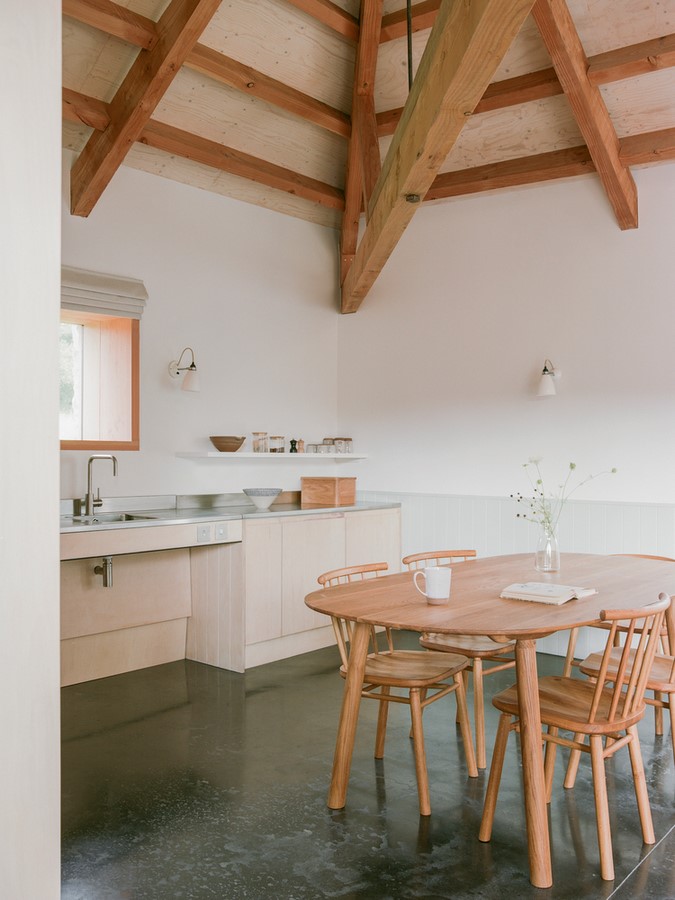
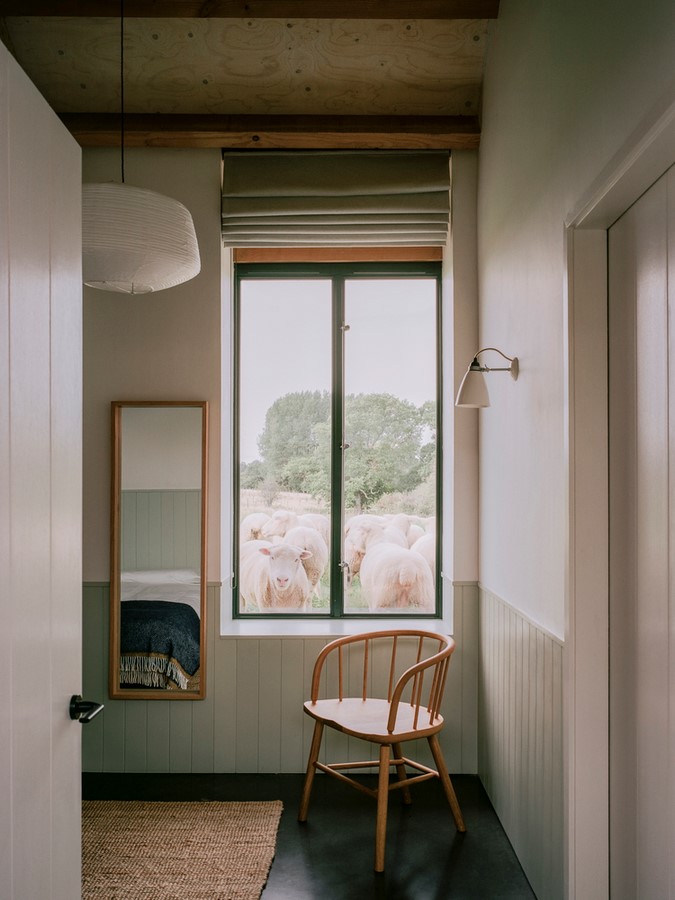
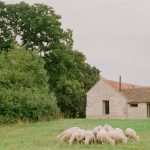
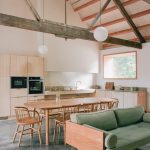
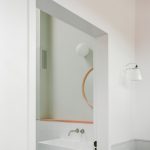
The interiors of Wraxall Yard reflect thoughtful design elements, avoiding an institutional feel. Features like sinks with integrated grab handles, adaptable worktops, and ceiling hoists in bathrooms and kitchens offer practicality without compromising aesthetics. The renovated Dutch Barn, a highlight of the project, provides a safe space for all visitors to interact with farm animals.

Holistic Impact: Social and Environmental Initiatives

Beyond architectural restoration, Wraxall Yard serves as a catalyst for holistic social and environmental endeavors. It strives to enhance both the quality of life for individuals and the natural world. By seamlessly integrating heritage preservation, sustainability, and inclusivity, Wraxall Yard stands as a model for community-driven architectural projects that embrace heritage and nurture the well-being of all.

Harmonizing Tradition and Nature Wooden Structure in Dongyang Village

95_900_584.jpg

Architects: Galaxy Arch
Year: 2023
Location: Nanchang, China
Photographs: Galaxy Arch

Embracing the Local Landscape

Nestled amidst the enchanting red soil, rolling Meiling, and vibrant countryside, the Wooden Structure in Dongyang Village reflects the rich daily life and technological legacy of Dongyang. Rooted in tradition and deeply connected to its surroundings, this architectural endeavor captures the expansive vistas and the romance inherent in the local way of life.

Site and Context

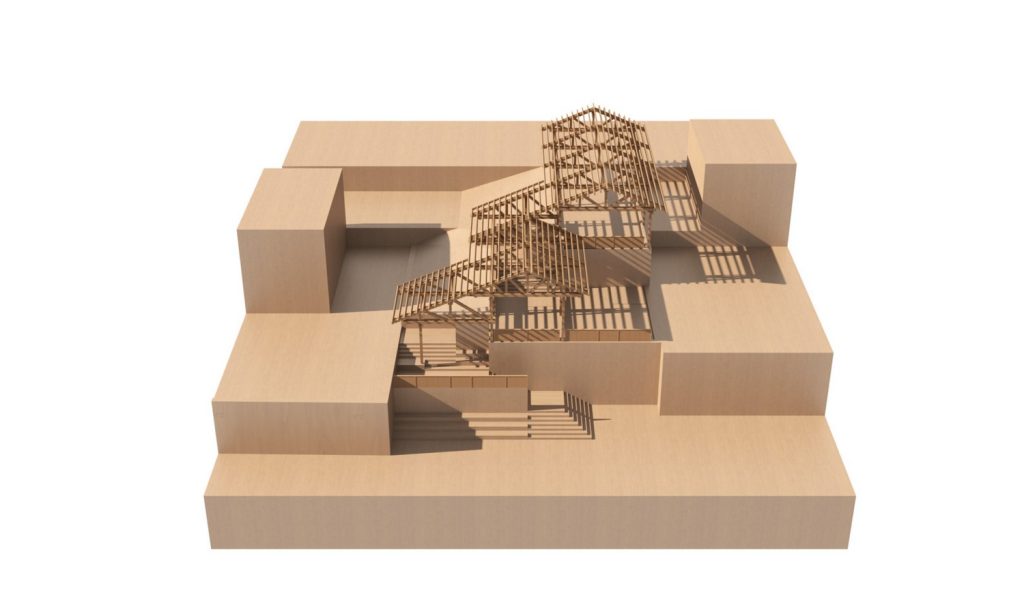
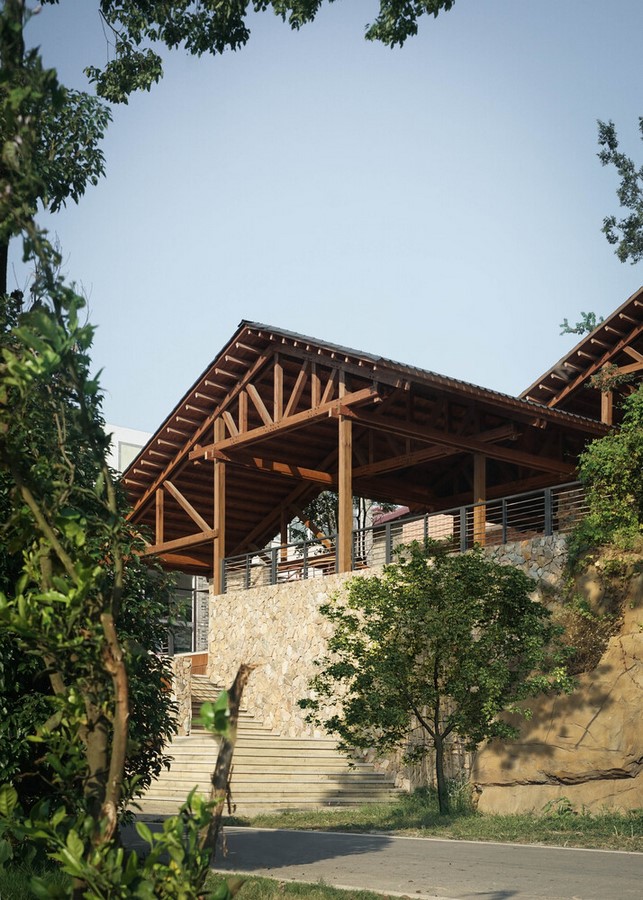
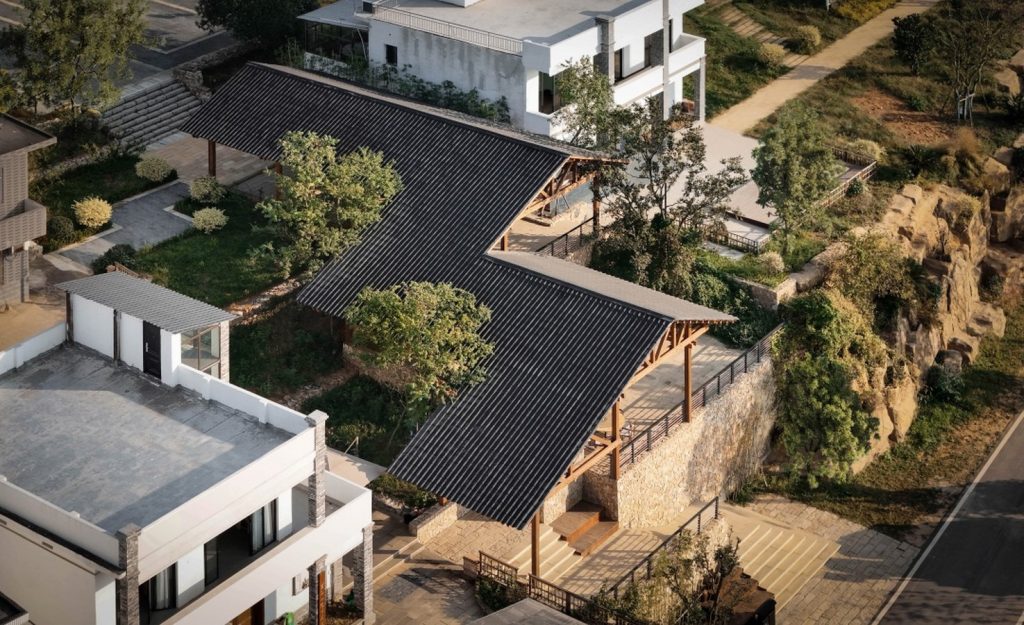
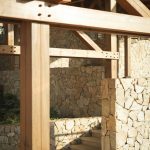
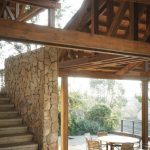
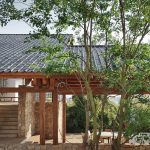
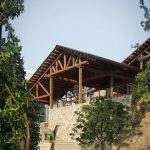
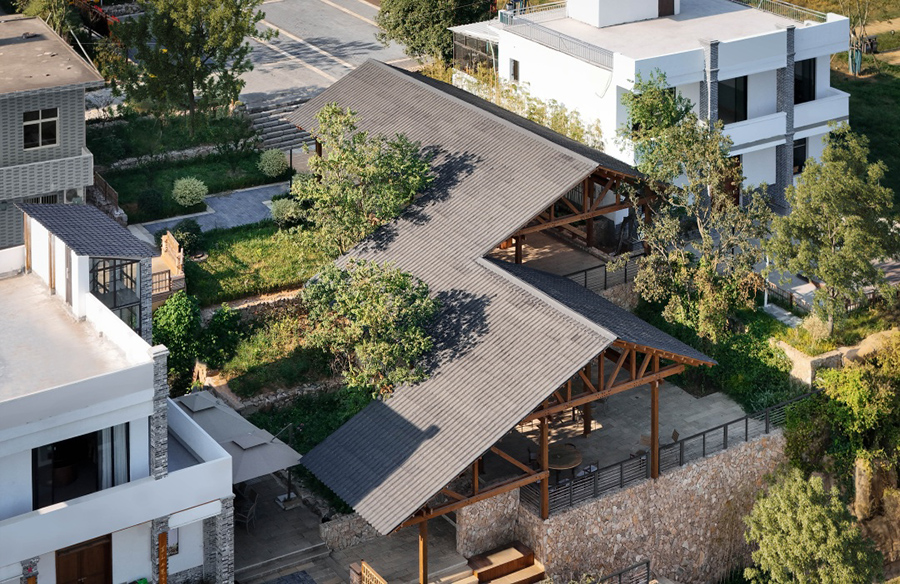
Perched on a small hill, the project gazes upon Meiling, with the village homes gracing its rear. Spanning 30 meters in length with a 10-meter height difference, the design unfolds as a descending path, offering a space for daily relaxation activities. The surrounding residential structures strategically shape a visual corridor for distant views, enhancing the connection between the structure and its panoramic surroundings.

Simplicity as an Architectural Attitude

Driven by a modest budget and the simplicity of the project’s functions, the architects aimed for an unassuming yet purposeful design. Embracing simplicity as an attitude, the building seeks to evoke contemplation on the fundamental aspects of architecture. Much like the village homes with their unadorned authenticity, this structure provides a space for life in its purest form, speaking directly to the soul.

Design Concept and Implementation

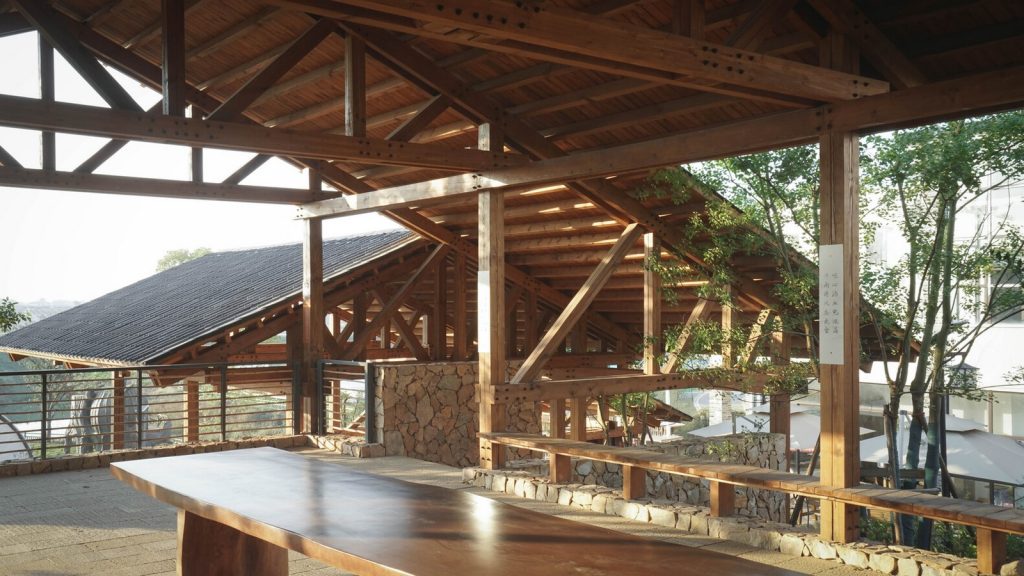
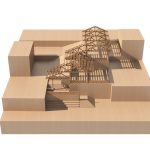
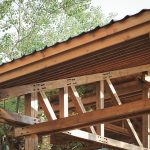
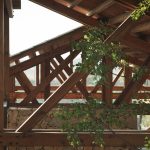
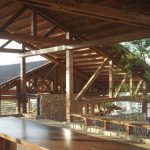
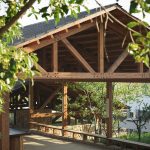
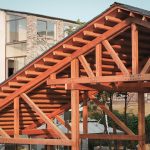
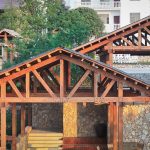
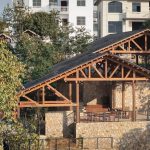
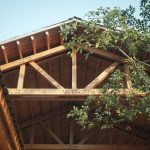
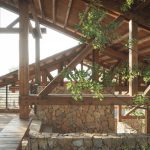
Constructed on a leveled platform using a wooden structural truss system, the design unfolds a sequence of spaces that facilitate enjoyment of views while descending the slope. The circulation seamlessly links higher and lower elevations, establishing connections with surrounding functions. The trusses, aligned with contour lines, not only shield nearby residences but also become a prominent facade element. Thorough research and collaboration with structural experts ensured an efficient design that met on-site construction precision requirements.

Structural Ingenuity and Adaptability

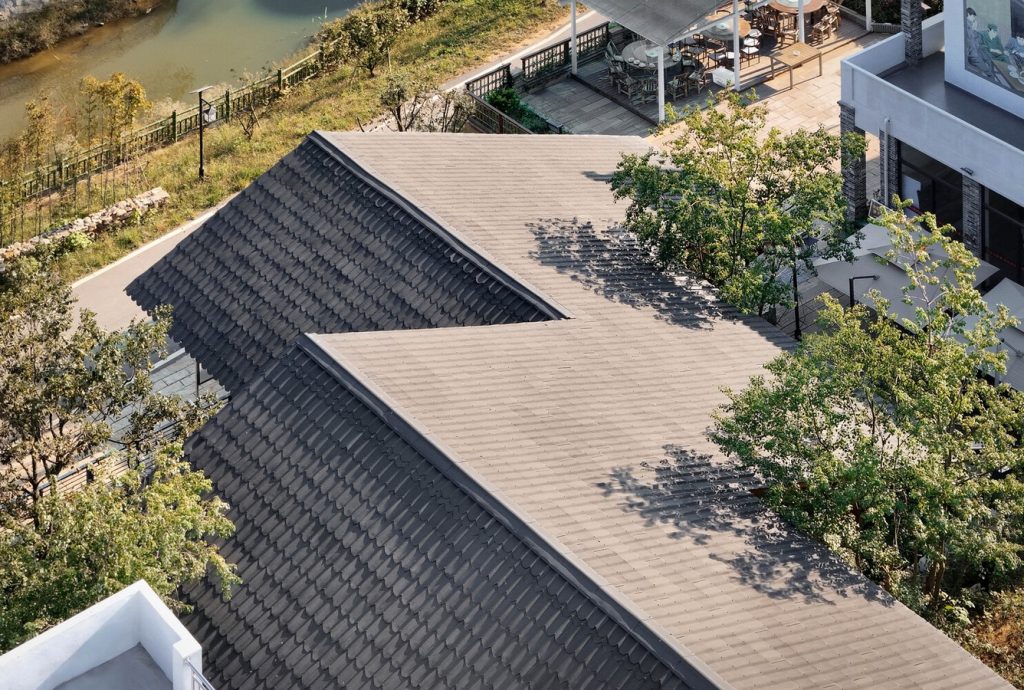
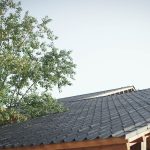
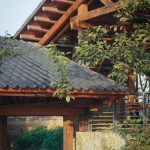
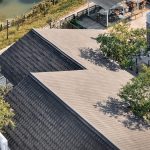
The wooden trusses, a defining feature of the project, were meticulously designed to integrate with the natural topography. The architects collaborated with Professor Xu Zheng for structural calculations, adapting the retaining wall design to on-site conditions. The lightweight molded asphalt tile for the roof minimized column sizes, allowing for overhanging eaves and effective waterproofing. The project successfully marries structural ingenuity with adaptability to create a harmonious rural space.

Reflecting on the Completed Project

Six months post-completion, the Wooden Structure in Dongyang Village stands adorned with lush greenery, embraced by new homes from the local villagers. Serving as a versatile space, it hosts local farmhouse activities, embodying the essence of simplicity and functionality. Despite the challenges faced by rural projects in the market, this endeavor showcases the profound connection between design and construction, stripped of excess ornamentation and symbolic desires. As the morning sunlight bathes the building, the quiet yet captivating scene encapsulates the success of an architectural endeavor deeply intertwined with tradition and nature.

Embracing Nature White Crane Lake Visitor Center

94_900_584.jpg

Architects: Archperience
Year: 2023
Location: Yingtan, China
Photographs: Jianghe Zeng

Introduction

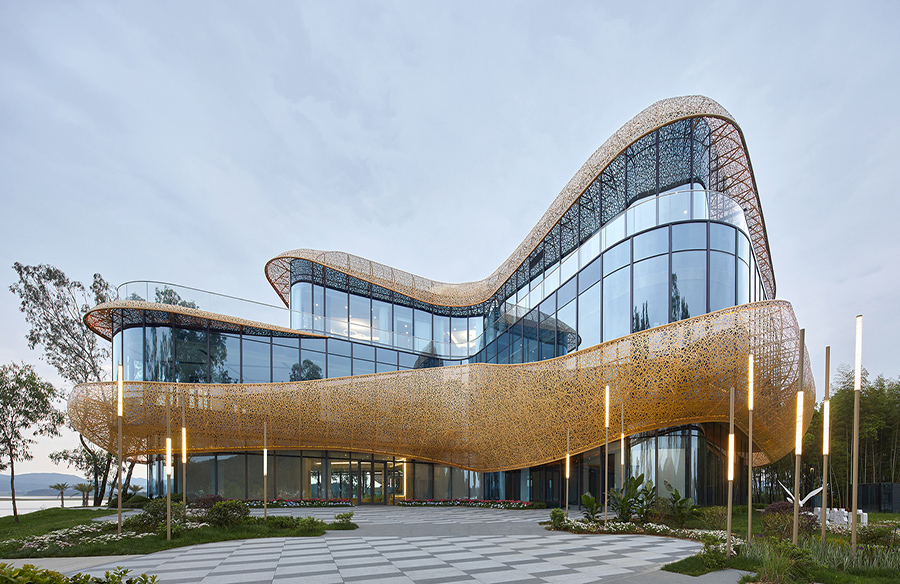
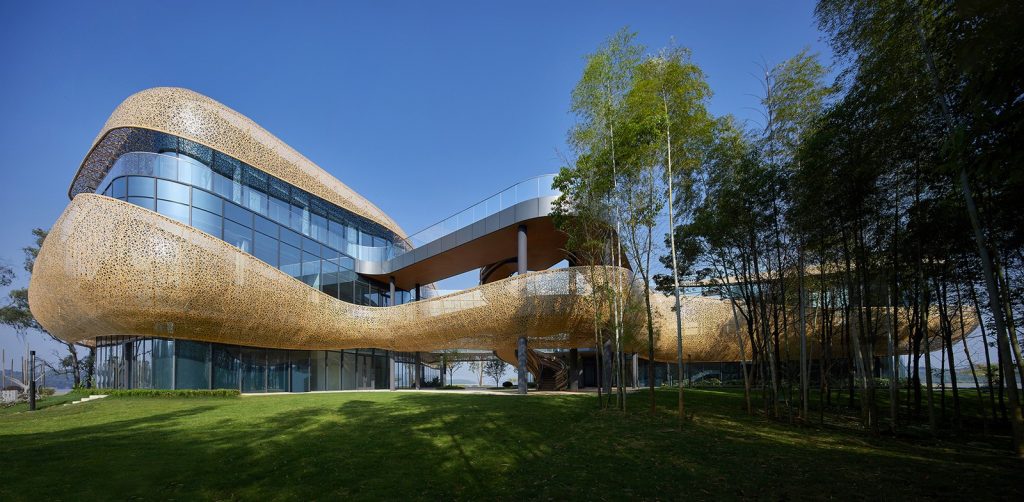
Situated by Yingtan City in Jiangxi Province, the White Crane Lake spans 10 square kilometers. At its heart lies the Visitor Center, a pivotal element in the holistic development initiative for the serene White Crane Lake. The architectural challenge lay in harmonizing a modern cultural structure, geared towards boosting tourism, within the tranquil surroundings defined by the lake, forests, and mountains.

Designing with Nature

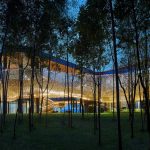
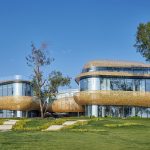
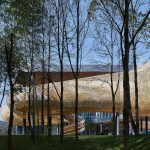
The architects at Archperience approached the project with a keen understanding of the need to seamlessly integrate the Visitor Center with its natural environment. Contrary to mimicking local residential styles, the focus was on accentuating the intrinsic qualities and ambiance of White Crane Lake itself. The building’s location, surrounded by the lake and bamboo forest, became a pivotal influence on its design.

Harmony in Form and Movement

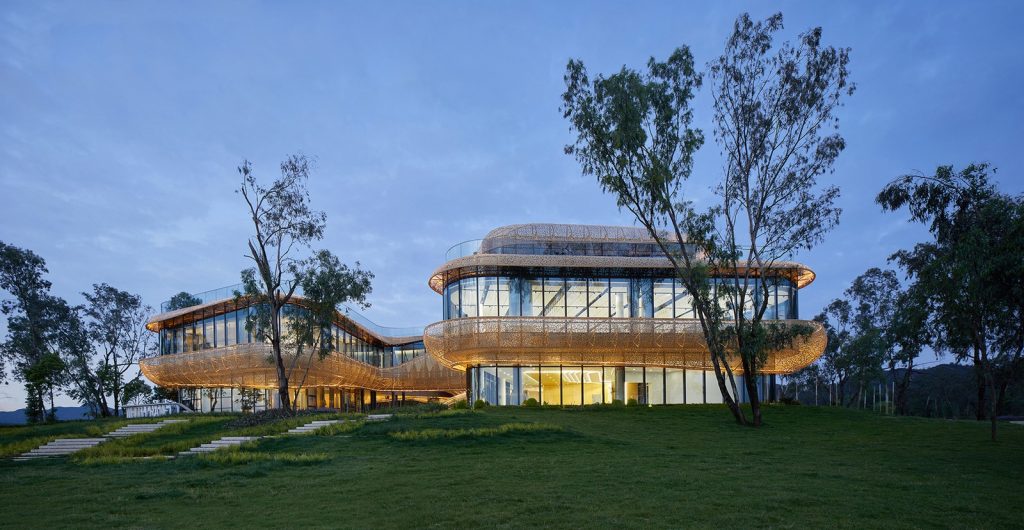
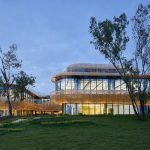
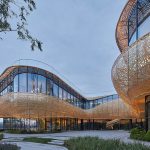
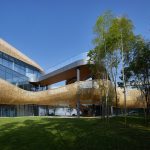
To minimize intervention in the environment, the building’s volume adopts a decentralized layout. The interconnected volumes reduce its visual scale, fostering an unobtrusive presence. Rounded forms and curves soften the building’s relationship with its surroundings, inviting visitors to explore its ever-changing design, reminiscent of a traditional Chinese scroll painting on the lake.

Material Innovation

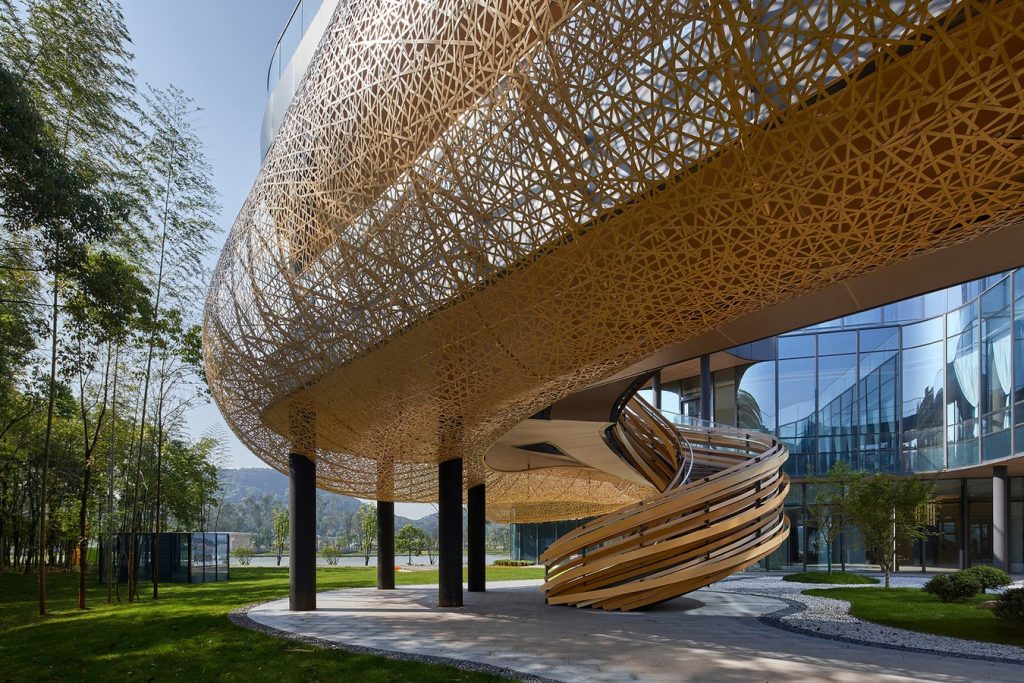
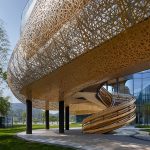
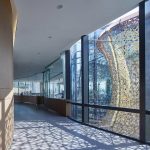
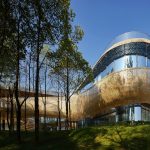
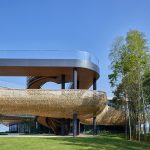
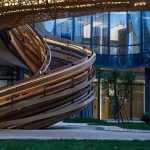
The architect opted for a transparent glass volume surrounded by a second layer resembling a “bamboo skin.” This dynamic skin, resembling the wings of a white crane or bamboo clouds, unifies separate volumes, creating an appearance of continuity with nature. The choice of a surface-treated metal alloy, simulating bamboo, ensures durability and a visually appealing texture, aligning with the natural theme.

Whirlpool Staircase & Rooftop Pool

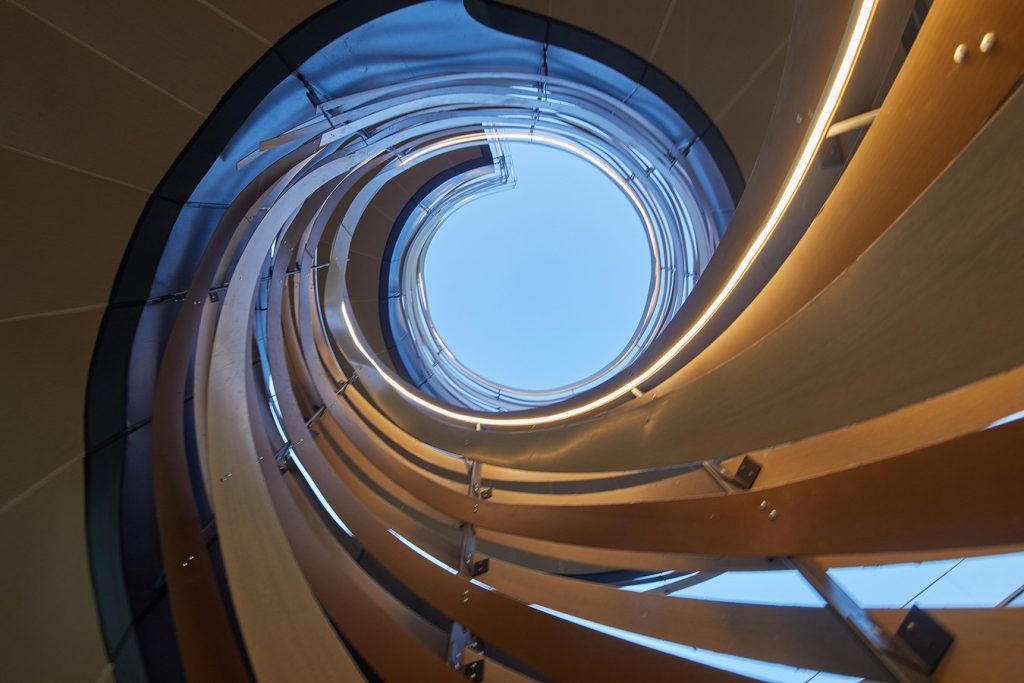
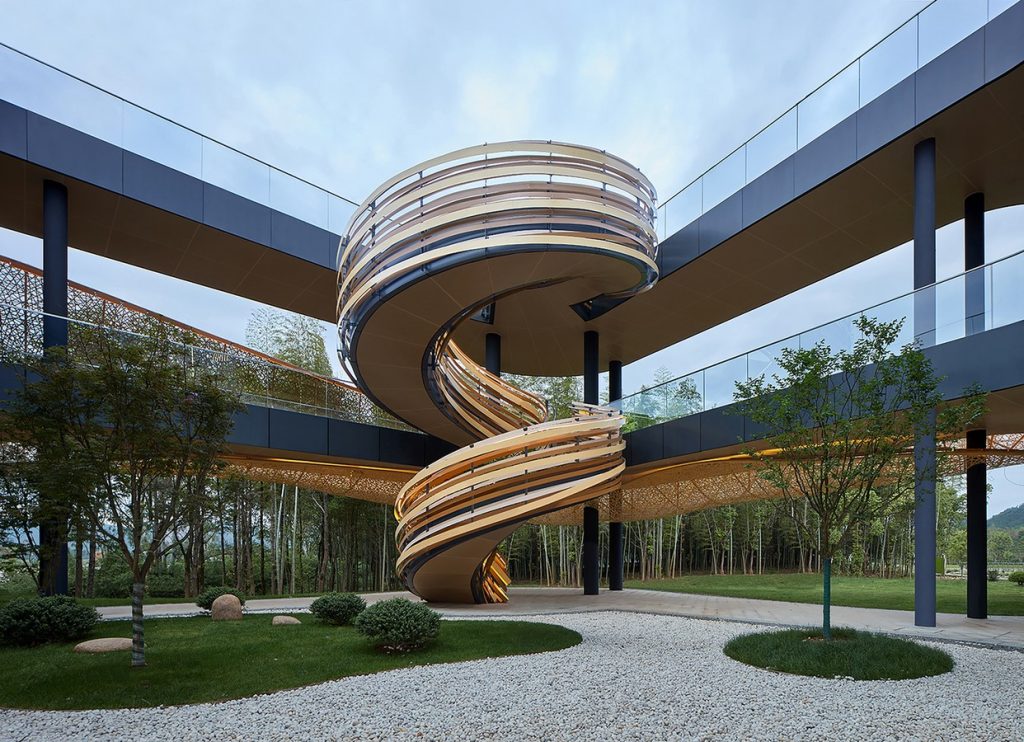
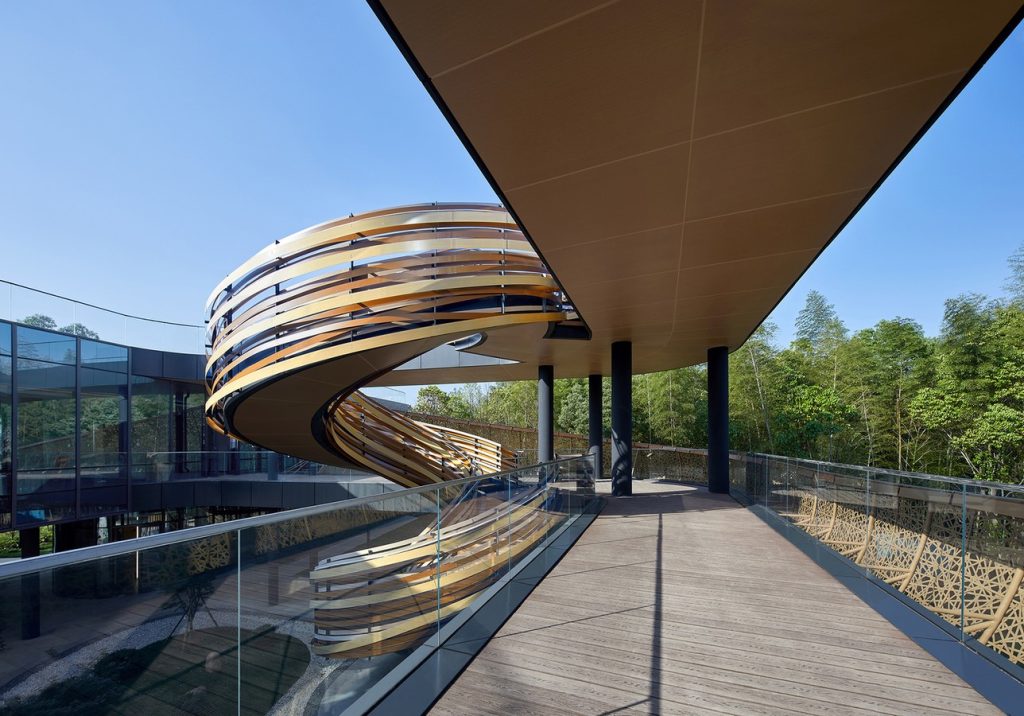
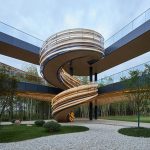
Within the courtyard, a spiral staircase becomes a visual focal point, adding a dynamic element to the space. The borderless pool on the rooftop seamlessly blends with the lake and sky, offering a captivating visual experience for visitors.

Functional Layout

The Visitor Center’s functional layout includes a reception area, restaurant, conference space, and VIP Club. Placing each function strategically, such as the restaurant on the northwest side for optimal views, ensures a cohesive yet purposeful design.

A Poetic Integration

Approaching the project with a poetic imagination, the architects envisioned the building as “bamboo clouds on the water.” This concept allows the structure to delicately meld with the mountains, forest, and mist, transforming the early morning mist into an ethereal edifice suspended in the air, evoking the essence of floating bamboo on the shore.

In essence, the White Crane Lake Visitor Center stands as a testament to architectural innovation that respects and enhances the natural beauty of its surroundings.

scroll to top